What these services cover
Disinfection services aim to reduce harmful microorganisms on surfaces to a much lower level than routine cleaning. A typical service starts with cleaning to remove dirt, then applies a disinfectant to touch points and surfaces, either by hand or using equipment such as foggers or electrostatic sprayers. They're commonly booked after a confirmed outbreak of illness, before reopening a building, or as part of a routine programme in high-risk environments.
Methods
Providers use a combination of methods:
Manual touch point disinfection
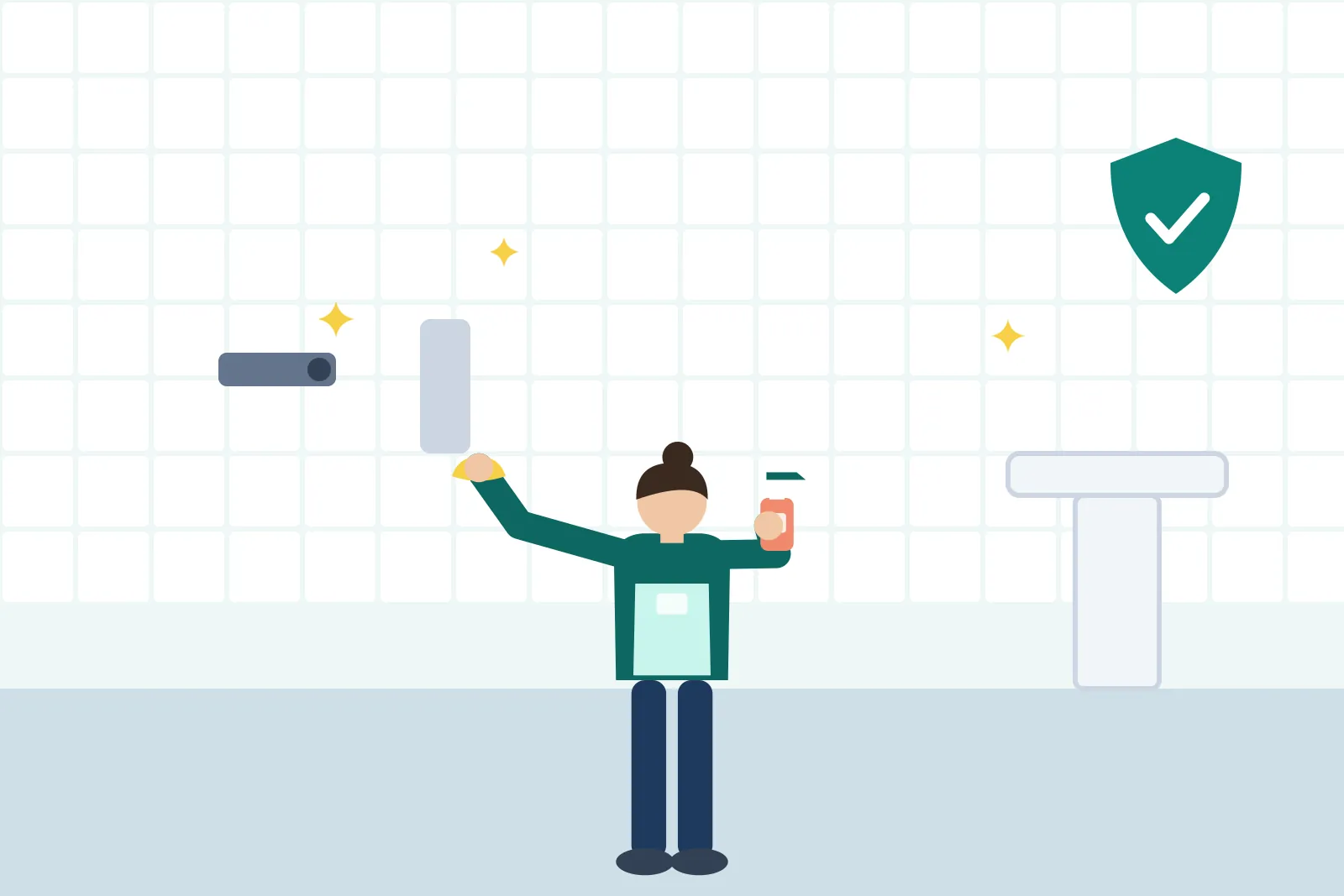
The most reliable method for most situations. Cleaners clean and then disinfect high-touch surfaces – door handles, handrails, switches, desks, keyboards, taps and toilet flushes – with a disinfectant left for its full contact time.
Fogging
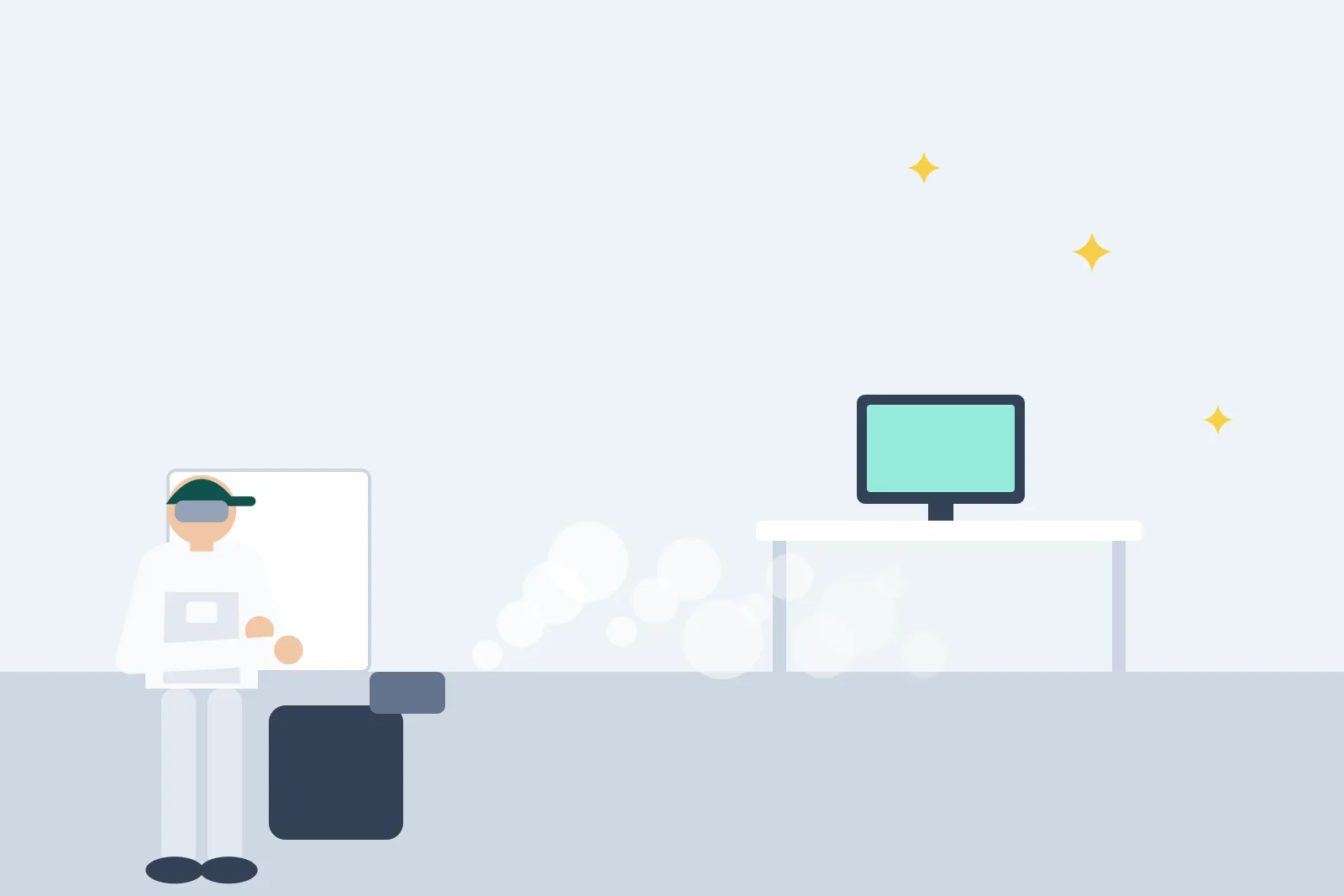
Foggers produce a fine mist of disinfectant that fills a room and settles on surfaces. It can reach areas that are hard to wipe, but it doesn't replace cleaning, and the room must be empty and ventilated afterwards. Products should be tested for airborne room disinfection – BS EN 17272 is the relevant European standard.
Electrostatic spraying
Electrostatic sprayers give disinfectant droplets an electric charge so they wrap around and cling to surfaces, improving coverage. Like fogging, it works best after surfaces have been cleaned.
When businesses need them
Common reasons to book a specialist disinfection service:
- After a confirmed outbreak of norovirus, flu or another infection among staff or customers
- In care homes, nurseries, schools, gyms and healthcare settings during outbreaks
- After an incident involving bodily fluids – see trauma and biohazard cleaning for serious cases
- Before reopening a building that has been closed
- In food businesses after a contamination incident, alongside environmental health advice
Get quotes from local cleaners
Standards and products
Look for disinfectants tested against recognised standards for the organisms you're concerned about – such as BS EN 1276 for bacteria, BS EN 14476 for viruses and BS EN 17272 for airborne room disinfection – and used at the tested concentration and contact time. Products used at work must be covered by COSHH assessments. See COSHH and cleaning products and cleaning vs disinfecting.
Questions to ask a provider
Ask which products they use and which standards they're tested to, whether they clean before disinfecting, how they treat sensitive equipment, how long rooms must be empty, and what documentation they provide – a certificate listing areas treated, products and dates is useful for records. Be wary of claims that a single treatment provides weeks of protection; effectiveness on surfaces generally depends on ongoing cleaning.
Many commercial cleaning companies offer disinfection services alongside routine cleaning, which can be simpler than using a separate provider.
Planning a routine programme
For most workplaces, the most effective approach is a routine programme rather than occasional specialist visits. That means a cleaning specification that lists high-touch points – door handles, lift buttons, handrails, taps, shared equipment – with a daily or twice-daily frequency and the product to be used, plus a clear plan for stepping up cleaning when there's an outbreak.
Write down who decides when enhanced cleaning starts, which areas are prioritised, and how staff will be told. Many organisations agree a set of 'outbreak' tasks with their contractor in advance, so extra hours can be added quickly. Our guides to how often an office should be cleaned and workplace washroom hygiene help set the everyday baseline.