Why norovirus is so hard to stop
Norovirus, the most common cause of winter vomiting and diarrhoea in the UK, spreads through tiny particles in vomit and faeces, contaminated surfaces and food, and close contact. It can survive on surfaces for days and isn't reliably killed by many everyday antibacterial sprays or alcohol hand gel.
NHS guidance is to stay off work or school until 48 hours after symptoms stop, wash hands with soap and water, and clean contaminated surfaces with a bleach-based product.
Cleaning up vomit or diarrhoea
Wear disposable gloves (and an apron if you have one). Ventilate the room. Cover the mess with kitchen paper to absorb it, then scoop it into a plastic bag using more paper or a disposable scraper, working from the outside in. Seal the bag and put it in the outside bin.
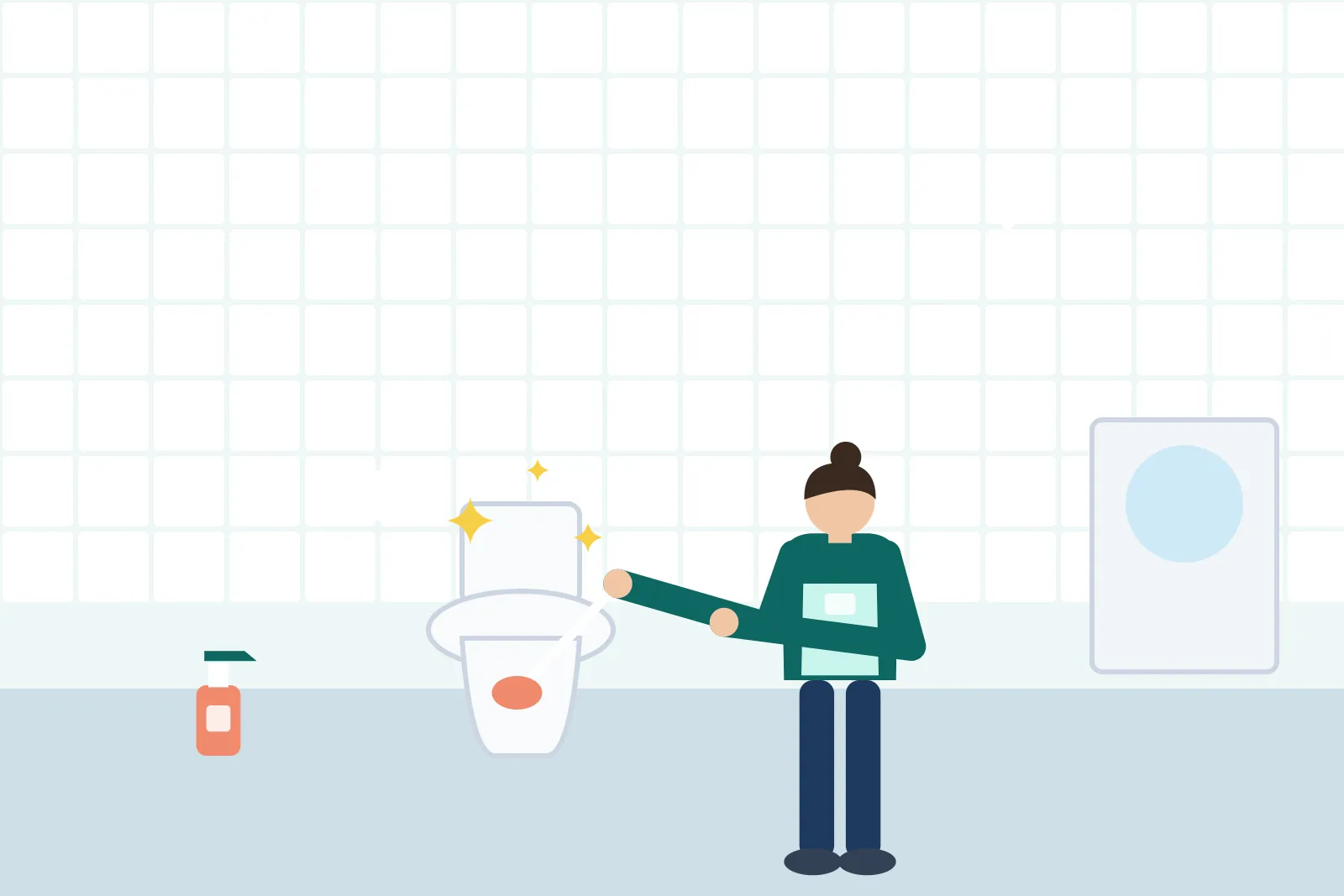
Clean the area with hot soapy water and disposable cloths, then disinfect hard surfaces with a bleach-based household cleaner, following the label – or a solution of household bleach diluted as the product instructs for disinfection. Leave it for the contact time on the label, then rinse surfaces that touch food. Throw cloths away. Wash your hands thoroughly with soap and water afterwards.
Carpets and soft furnishings
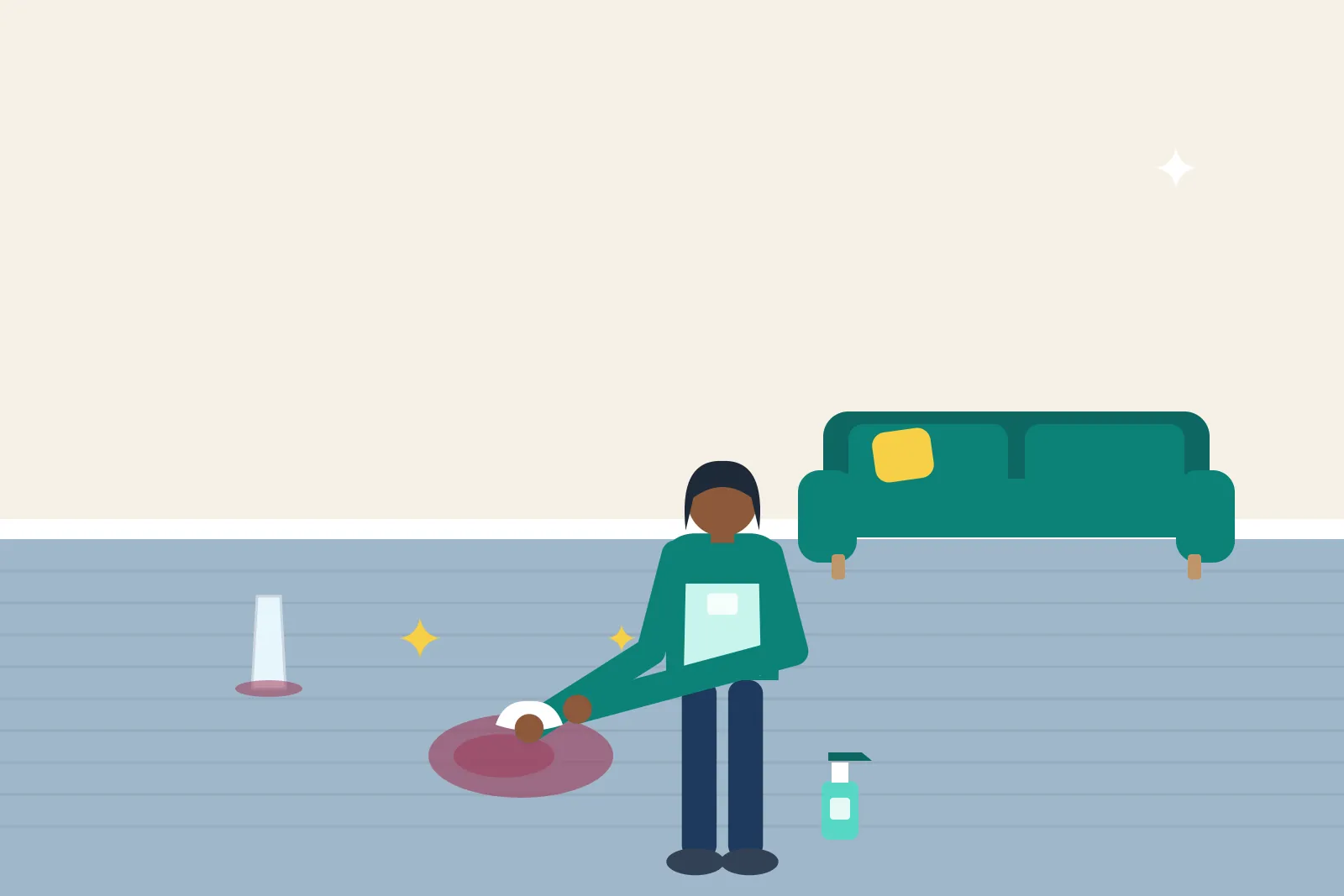
Bleach can't be used on most carpets and fabrics. After removing as much as possible and blotting with cold water and detergent, carpets and upholstery are best cleaned with hot water extraction or a steam cleaner at high temperature, which helps inactivate the virus. Professional carpet cleaners can treat vomit stains and odours. See our carpet stain removal guide for the first steps.
Mattresses can be protected with a waterproof cover during illness. If one is soiled, sponge it, then steam clean or have it professionally cleaned, and let it dry fully.
Laundry
Handle soiled bedding, towels and clothes carefully without shaking them, and wash them separately on the hottest wash the fabric allows – ideally 60°C – with a biological detergent. Clean the outside of the washing machine and the laundry basket afterwards.
Get quotes from local cleaners
Toilets and touch points
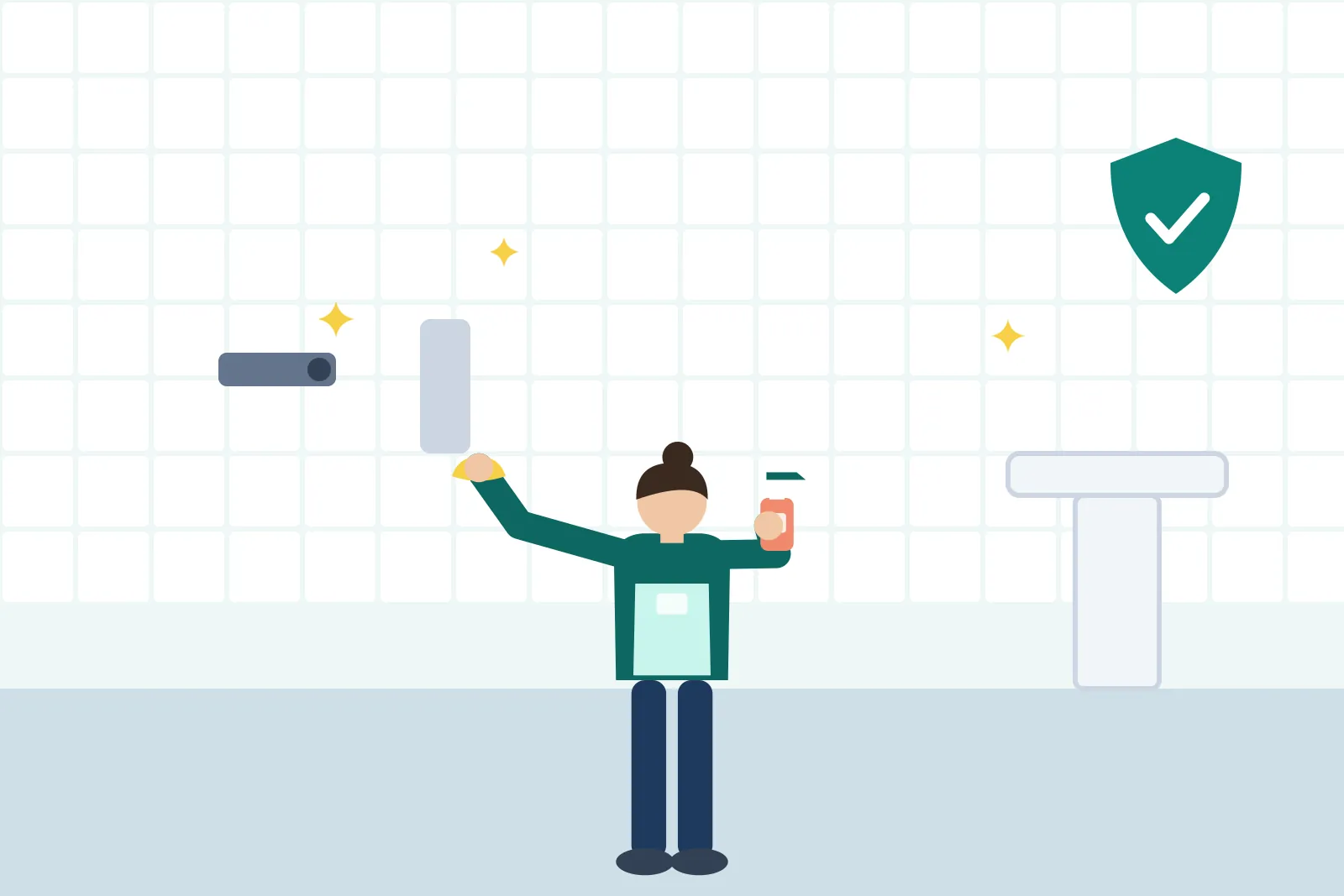
While anyone is ill, and for a couple of days afterwards, disinfect these daily:
- Toilet seat, lid, handle and the floor around the toilet
- Taps, basin and bathroom door handles
- Light switches, door handles and banisters
- Kitchen taps, fridge handle and kettle
- Remote controls, phones and tablets (with suitable wipes)
- Children's toys – see how to clean children's toys
Protecting the rest of the household
If possible, the person who's ill should use a separate toilet and towels and not prepare food for others until 48 hours after symptoms stop. Everyone should wash hands with soap and water, especially after using the toilet and before eating – alcohol gels don't work well against norovirus. Close the toilet lid before flushing.
When to get professional help
For most households, careful cleaning is enough. If someone in the home is vulnerable, or a large area of carpet or furniture is affected, a professional deep clean with carpet and upholstery cleaning is worth considering once everyone has recovered. Businesses dealing with outbreaks – care homes, nurseries, offices and hospitality – may need disinfection and sanitisation services. Our guide to cleaning vs disinfecting explains why cleaning first matters.