What each one actually does
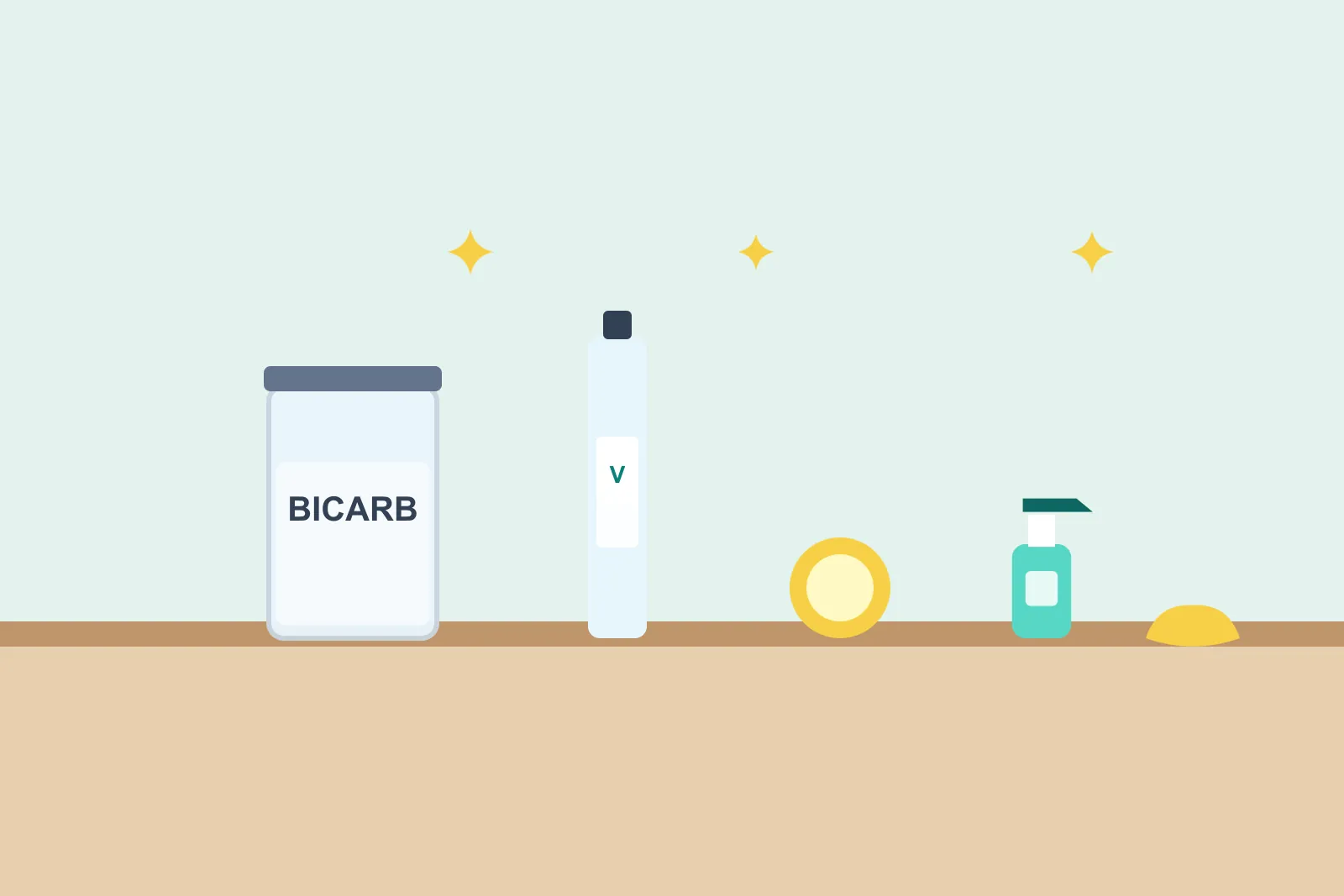
White vinegar (distilled or 'spirit' vinegar, usually 5% acetic acid, or stronger cleaning vinegar) is a mild acid. It dissolves limescale and mineral deposits, cuts through soap scum and can help neutralise some odours. It's a weak cleaner on grease.
Bicarbonate of soda (sodium bicarbonate, often sold as baking soda) is a mild alkali and a gentle abrasive. As a paste, it scours without scratching most surfaces, lifts stains and burnt-on residue, and absorbs odours when used dry.
Good uses for white vinegar
Use vinegar where minerals and soap residue are the problem:
- Descaling taps, shower heads and kettles (rinse kettles thoroughly)
- Removing water spots from glass, stainless steel and chrome (diluted, then rinse)
- Soap scum on shower screens and ceramic tiles
- Rinse aid substitute in some dishwashers (check the manual first)
- Freshening a washing machine or microwave on a maintenance cycle
- Cleaning windows, diluted with water
Good uses for bicarbonate of soda
Bicarbonate works best where you need gentle scrubbing or odour absorption:
- A paste for oven interiors, hobs, roasting tins and baked-on stains
- Stain removal on sinks, baths and mugs
- Deodorising carpets, mattresses, fridges, bins and shoes (sprinkle, leave, vacuum or wipe)
- A gentle scrub for grout and tile
- Unclogging sticky residue in air fryer baskets and pans
- Freshening drains with hot water
Where not to use vinegar
Vinegar's acidity is exactly what damages some materials. Don't use it on natural stone – marble, limestone, travertine and granite – where it etches and dulls the surface and degrades sealers. Avoid it on unsealed or oiled wood, waxed furniture, cast iron and aluminium cookware, and some electronic screens.
Repeated use of strong vinegar can harden or crack rubber seals in some washing machines and dishwashers, and many manufacturers advise against it. Grout can also be weakened by frequent acidic cleaning. Our guides to cleaning marble and granite and quartz worktops explain safe alternatives.
Get quotes from local cleaners
Where not to use bicarbonate of soda
Bicarbonate is gentle, but it's still an abrasive. Avoid scrubbing high-gloss surfaces, coated non-stick pans, polished stone, glass hobs with heavy pressure, and soft metals with it. It can leave a white haze if not rinsed thoroughly. On aluminium, it can cause discolouration.
The fizzing myth
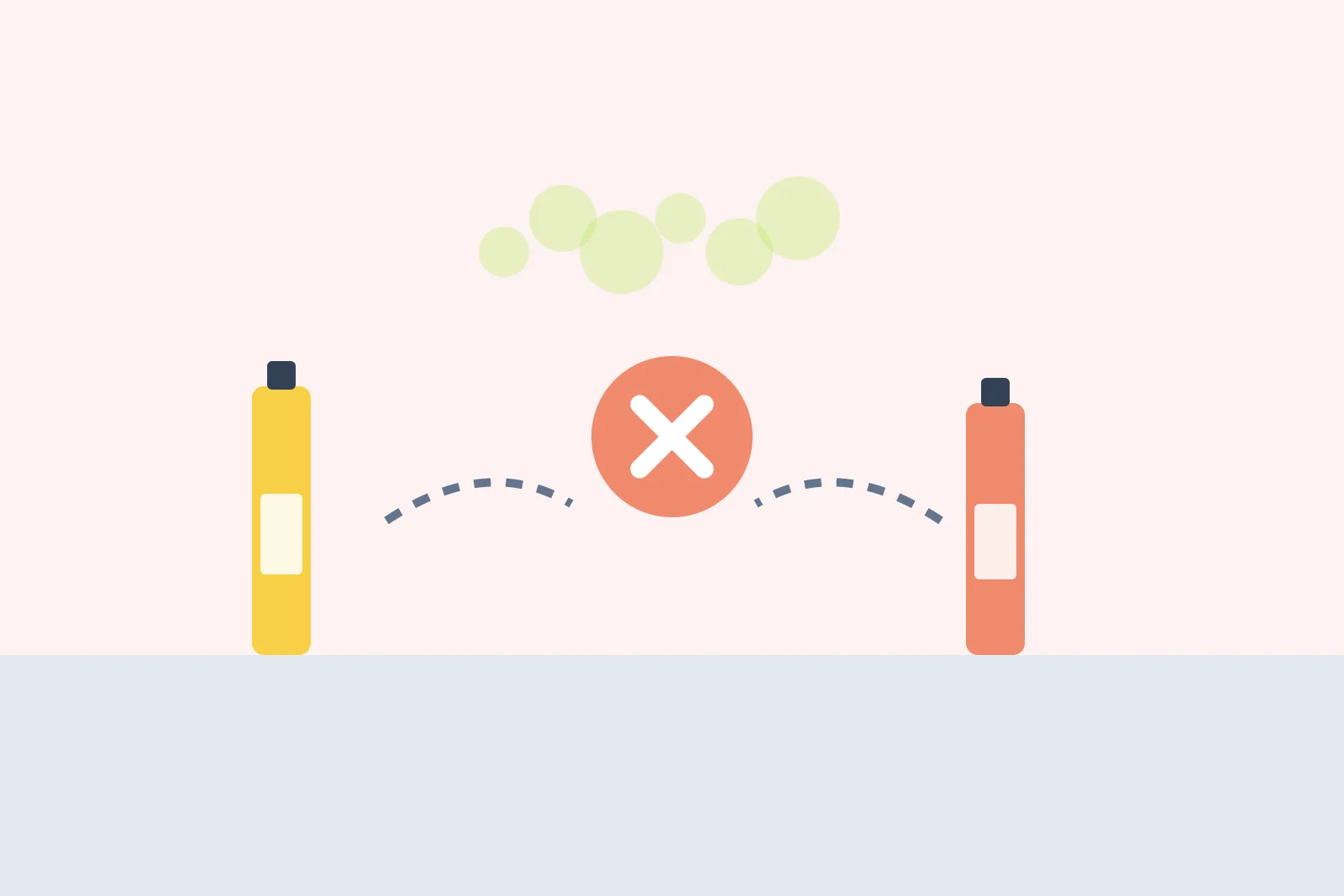
Mixing bicarbonate of soda and vinegar produces an impressive fizz, but the reaction neutralises both: you end up with mostly water, a little salt (sodium acetate) and carbon dioxide. The bubbling can help loosen debris in a drain or lift loose dirt mechanically, but the mixture is a weaker cleaner than either ingredient used on its own.
Use them separately for most jobs: bicarbonate paste to scrub, then a vinegar rinse where limescale is the issue, followed by water.
Simple recipes
A few combinations professional cleaners and households rely on:
| Mix | Recipe | Use for |
|---|---|---|
| Glass spray | 1 part white vinegar to 1 part water | Windows, mirrors, shower glass |
| Descaler | Neat or 1:1 vinegar, applied and left 20–30 min | Taps, shower heads (not stone) |
| Scrubbing paste | 3 parts bicarbonate to 1 part water | Ovens, hobs, sinks, baths |
| Deodoriser | Dry bicarbonate of soda | Carpets, mattresses, bins, fridges |
| All-purpose | Warm water with a few drops of washing-up liquid | Most everyday surfaces |
Simple home cleaning mixes. Test on a hidden area first, and label any bottles you mix.
Are 'natural' cleaners always better?
Vinegar and bicarbonate are useful, inexpensive and low in fragrance, which suits many people with sensitive skin or asthma. They aren't disinfectants to a tested standard, though – for raw meat, illness and bodily fluids, a proper disinfectant is still the right tool. See cleaning vs disinfecting and our wider guide to eco-friendly cleaning.