The golden rule
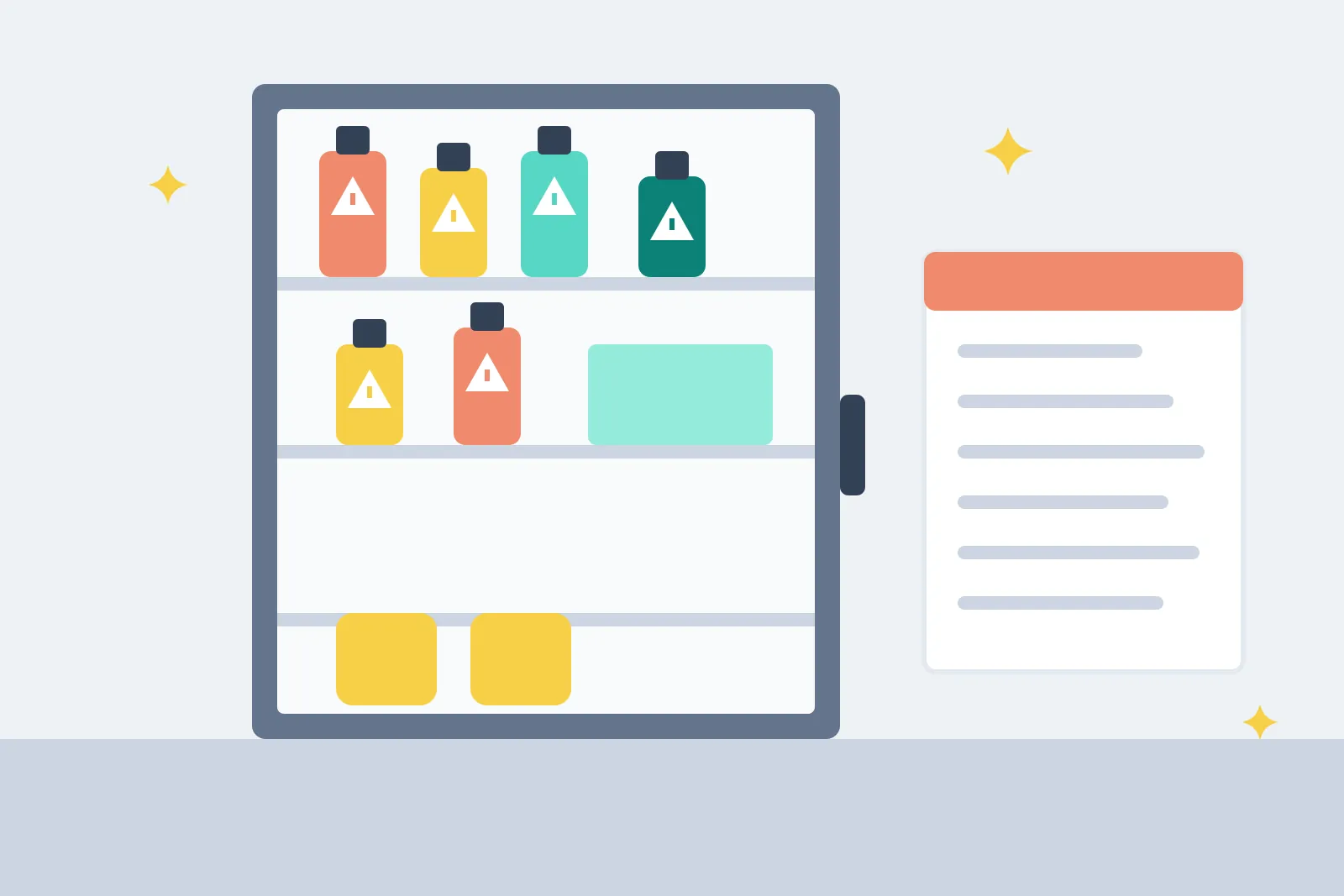
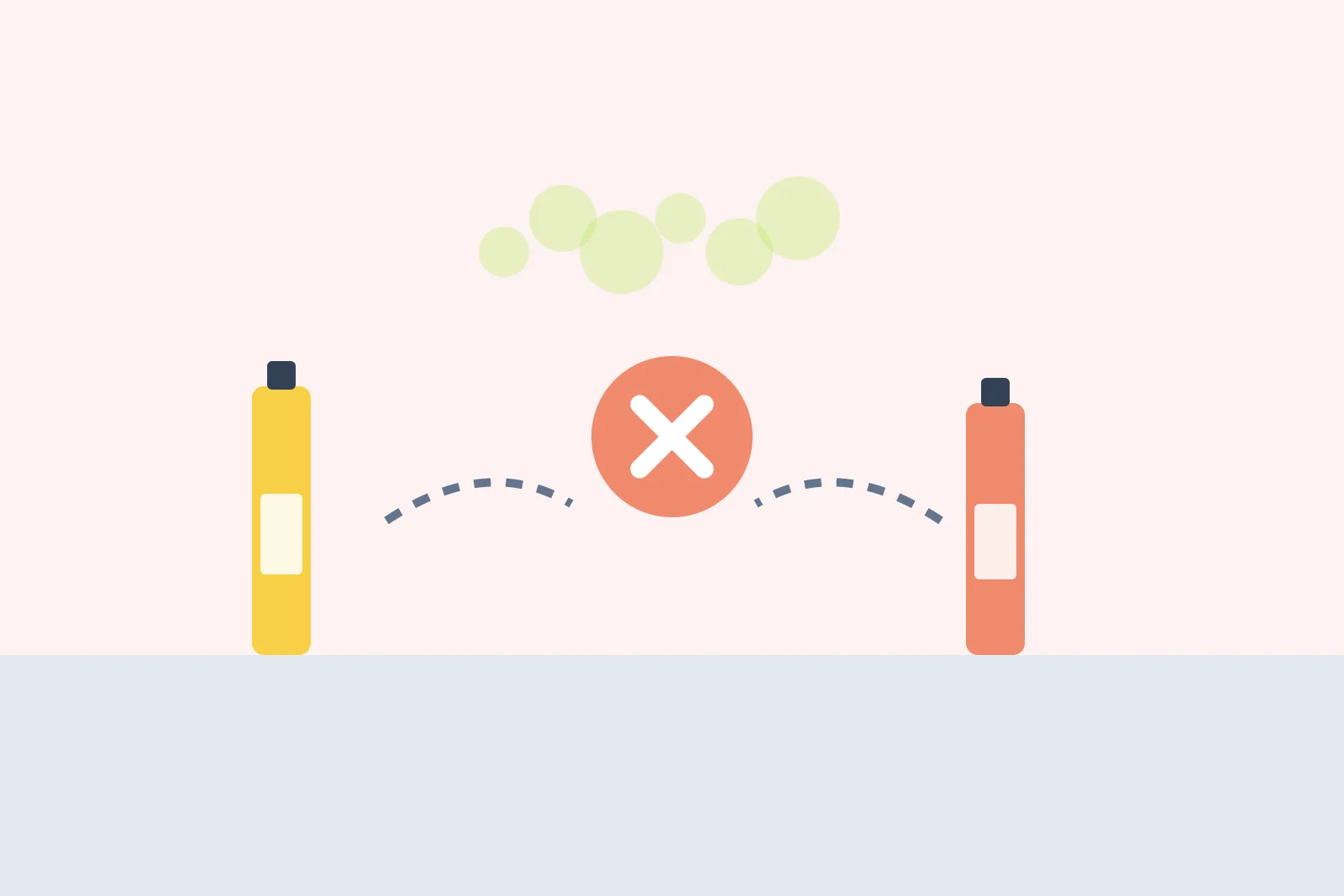
Use one product at a time, follow the label, and rinse the surface with water before using a different product. Never mix products in a bottle, bucket or toilet bowl, and never top up one product with another. Keep products in their original containers so the label and safety information stay with them.
Bleach and acids (including vinegar and limescale removers)
Bleach (sodium hypochlorite) mixed with an acid releases chlorine gas. Acids include white vinegar, lemon juice, many toilet and bathroom limescale removers, some descalers and some rust removers. Chlorine gas irritates the eyes, nose, throat and lungs and can cause serious breathing problems.
The most common way this happens is in the toilet: pouring a bleach-based cleaner into a bowl that already has limescale remover in it, or vice versa. Flush thoroughly between products and wait before using another.
Bleach and ammonia
Bleach mixed with ammonia produces chloramine gases, which are toxic. Ammonia is found in some glass cleaners and some multi-surface cleaners – and in urine, which is why pouring bleach onto concentrated urine (for example, in a litter tray or an unflushed toilet) can produce irritating fumes. Clean urine with water and a suitable cleaner first, and use enzyme cleaners for pet accidents.
Other risky combinations
These are also best avoided:
- Bleach and rubbing alcohol (isopropyl alcohol or surgical spirit) – can produce harmful chlorinated compounds
- Different drain unblockers, or a drain unblocker followed by another product – can react violently and splash
- Hydrogen peroxide and vinegar mixed in a container – creates peracetic acid, which is corrosive
- Different brands of oven cleaner or limescale remover – unknown reactions
- Bleach with any other cleaning product unless the label specifically says it's safe
Get quotes from local cleaners
Symptoms and what to do
If you accidentally mix products and notice a strong smell, stinging eyes, coughing, wheezing, chest tightness or difficulty breathing, leave the room immediately and get into fresh air. Open windows if you can do so quickly, and keep others out. Don't try to clean up the mixture straight away.
Call NHS 111 for advice, or 999 if someone is struggling to breathe, collapses or has severe symptoms. Have the product containers with you so you can tell them what was mixed. For splashes on skin or in eyes, rinse with plenty of clean water for at least 15–20 minutes.
Safer cleaning habits
A few habits make accidents much less likely:
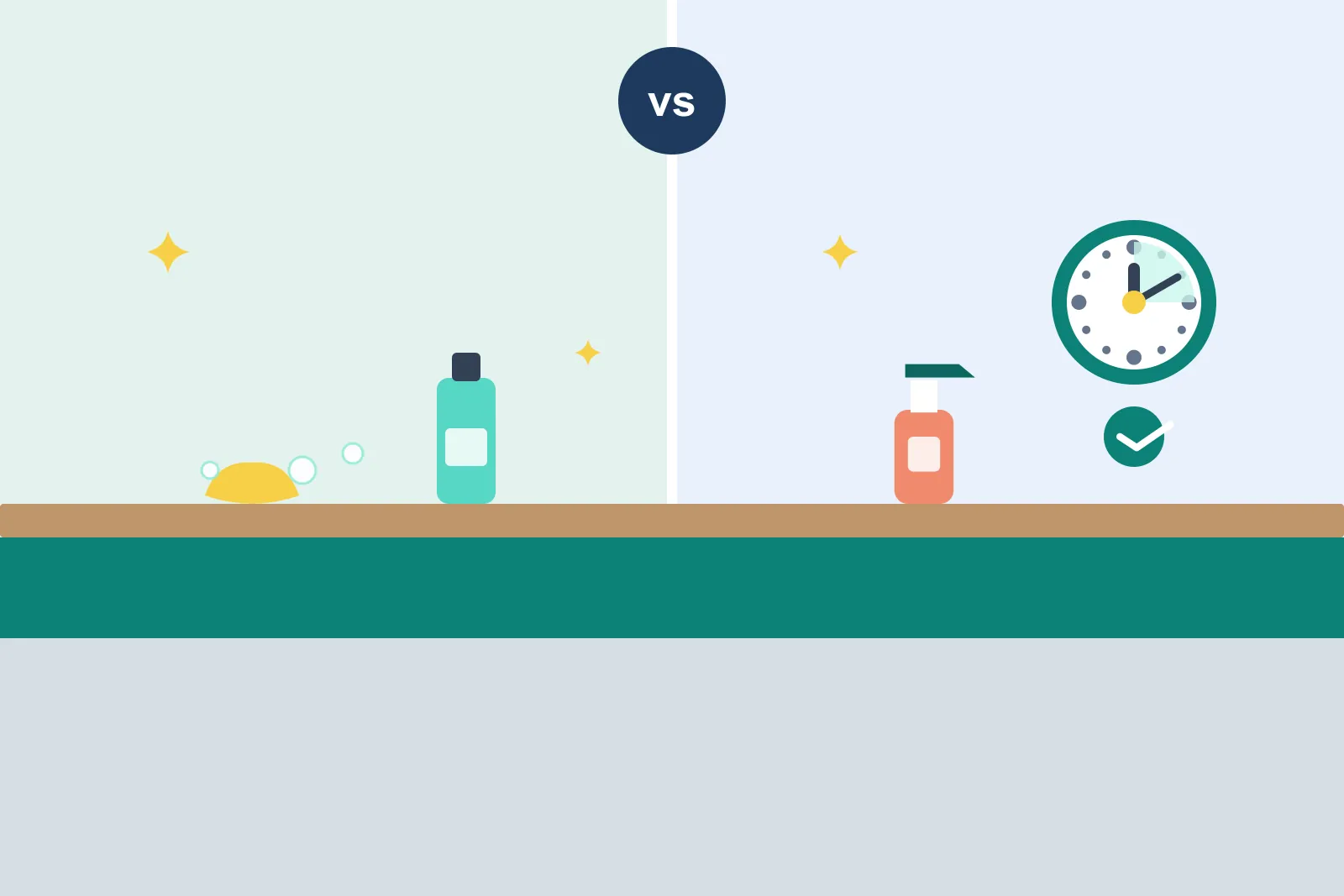
- Read the label and follow the dilution and contact time
- Store bleach and acid products separately
- Never decant products into drinks bottles
- Keep all products out of reach of children and pets
- Wear gloves, and eye protection for strong products such as oven cleaner
- Use one 'strong' product per room per session
At work: COSHH
In workplaces, employers must assess the risks of hazardous substances under the COSHH Regulations, including cleaning products. Professional cleaning companies train staff not to mix products, use colour-coded and labelled bottles, and keep safety data sheets on hand. See COSHH and cleaning products. At home, our guide to vinegar and bicarbonate of soda covers safe uses for gentler products.