Does roof moss cause damage?
A light covering of moss on concrete or clay tiles is mainly cosmetic. Heavy moss is different. It acts like a sponge, keeping tiles damp for long periods, which can speed up weathering and frost damage. Thick cushions of moss can lift the edges of tiles and slates, allowing wind-driven rain underneath. And moss constantly breaks off and washes into gutters and downpipes, blocking them.
North-facing roofs and those shaded by trees are most affected, because they stay damp for longest.
Why not just pressure wash it?
Pressure washing a roof is widely discouraged by roofers and tile manufacturers. High-pressure water can strip the protective surface from concrete tiles, making them more porous and quicker to regrow moss. It can force water up under tiles and into the roof space, crack or dislodge tiles, and blast out mortar from ridge and hip tiles.
It's also dangerous: working on a wet, mossy roof with a pressure washer is a significant fall risk. Many reputable roof cleaning companies have stopped offering high-pressure roof cleaning for these reasons.
How professional roof moss removal works
Professional roof cleaning usually combines two or three stages:
1. Manual removal
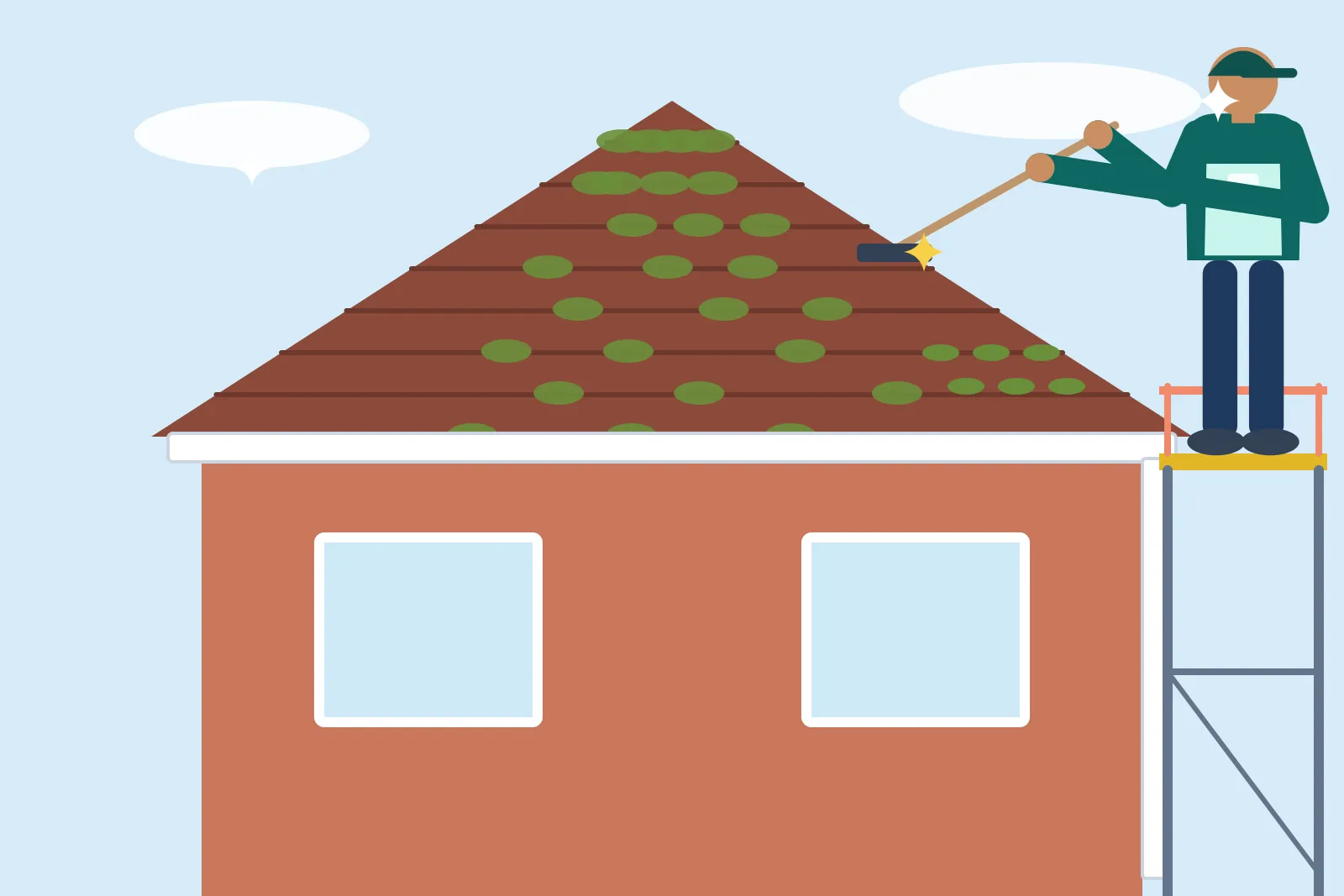
Moss is scraped off by hand with plastic or metal scrapers and stiff brushes, working down the roof. It's slow but doesn't damage the tile surface. Access is from an access tower, a cherry picker or roof ladders, depending on the property and the company's safety approach.
2. Biocide treatment
After the bulk of the moss is removed, a biocide (fungicidal wash) is sprayed onto the roof at low pressure. It kills remaining moss spores, lichen and algae, which then wash away gradually with rain over the following weeks and months. It also slows regrowth. Some companies offer biocide-only 'soft wash' treatments for light growth, which are cheaper but take longer to show results.
3. Gutter clearing
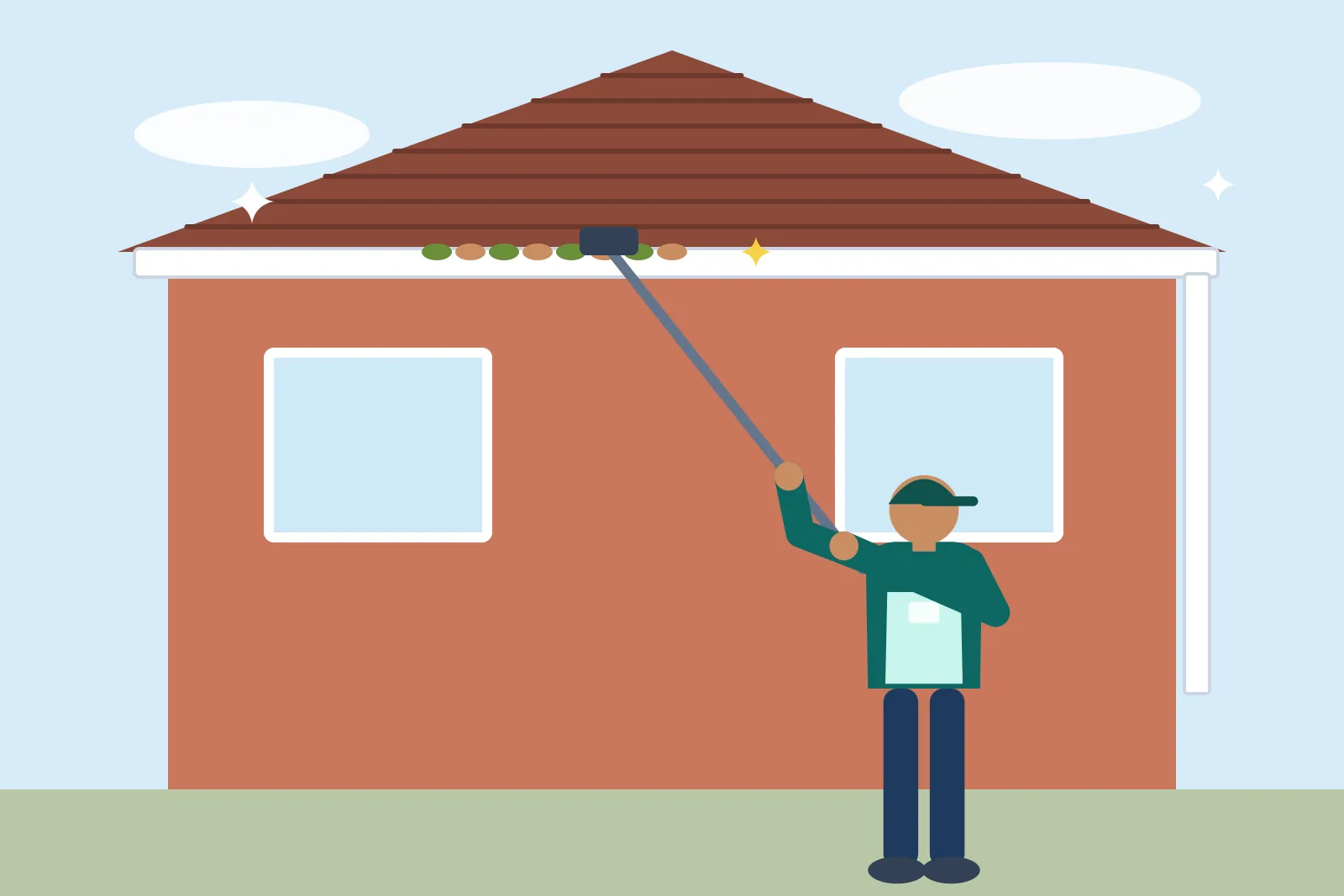
A roof clean always ends with clearing the gutters and downpipes of the moss that has been removed. Ask for this to be included and for photos of the clear gutters.
Get quotes from local cleaners
Roof coatings: proceed with caution
Some companies offer to coat or spray the roof with a sealant or coloured coating after cleaning. Opinions differ on whether these are worthwhile, and some coatings can trap moisture or make future repairs harder. They may also affect a property's value or a mortgage survey. Get independent advice and check the product and guarantee carefully before agreeing to a coating, especially if it's offered on the doorstep.
Can I remove roof moss myself?
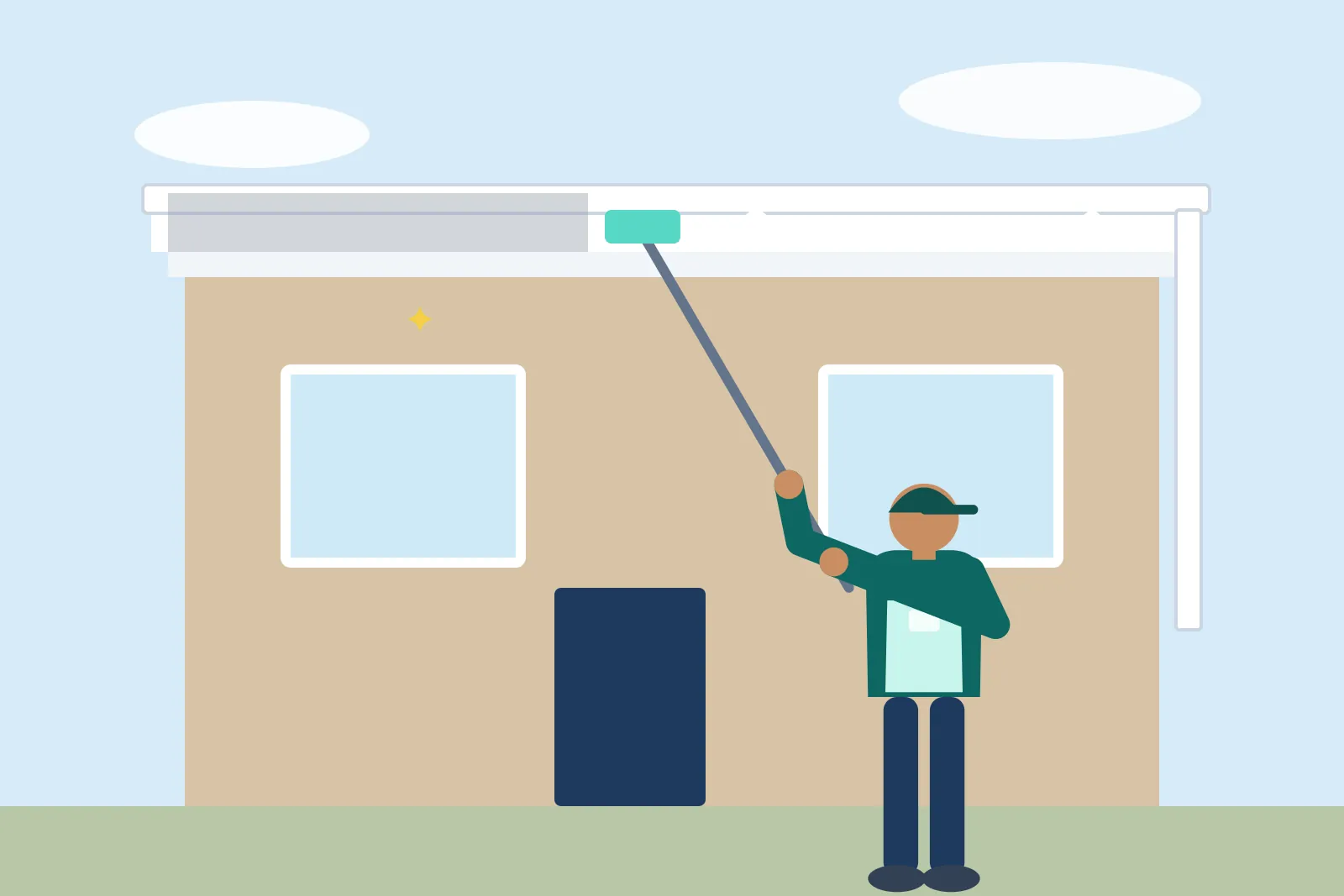
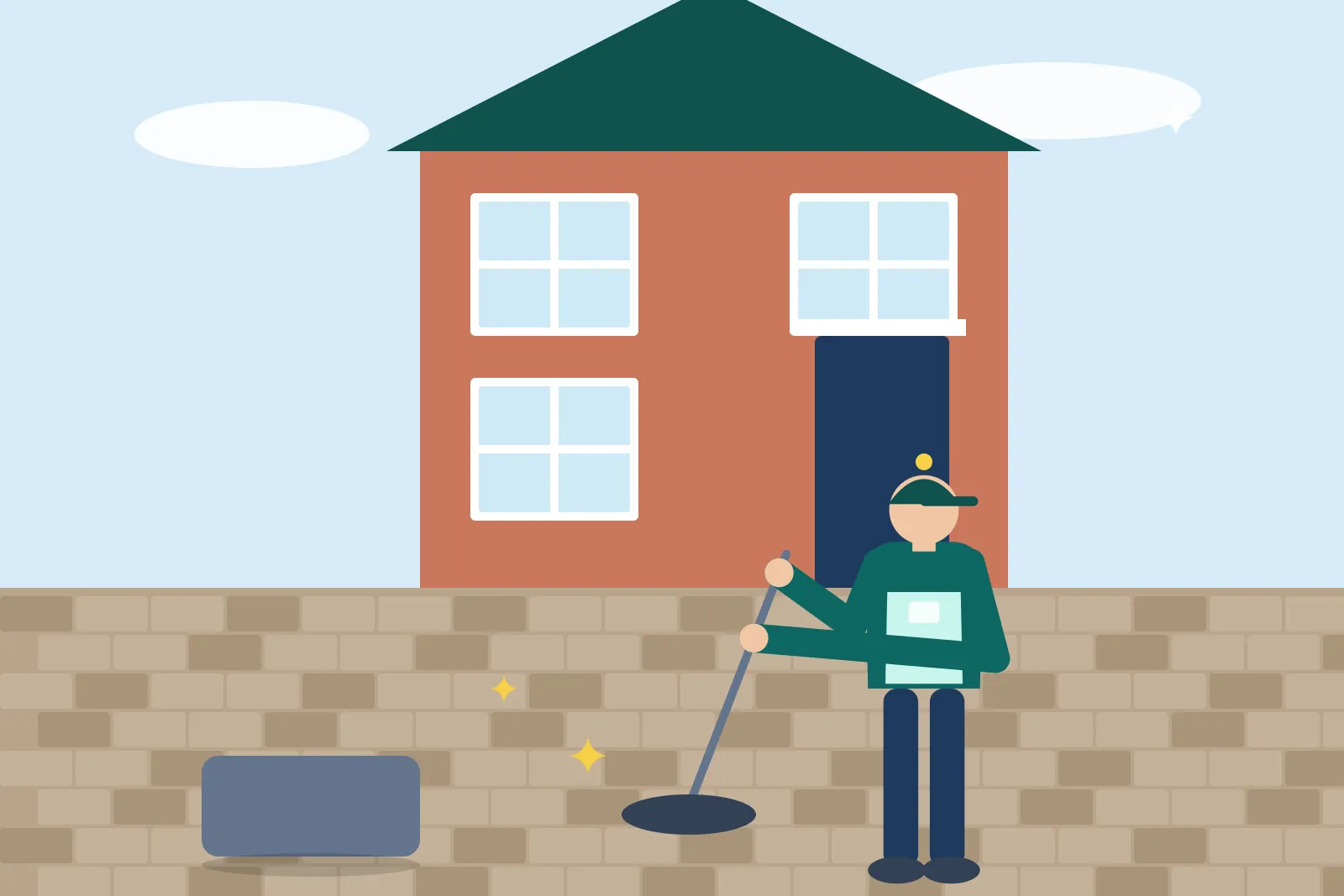
For safety reasons, it's best not to go on the roof yourself. Ground-level options include moss treatments applied with a pump sprayer on a long lance for low roofs such as porches and garages, and clearing moss from gutters with a gutter pole. Never walk on a roof without proper access equipment, and remember that conservatories, flat roofs and garage roofs may not support your weight.
Hiring a roof cleaner
Ask how they'll access the roof, how the moss will be removed, whether a biocide is included, how they'll protect gutters, conservatories and plants, and how waste will be disposed of. Check their public liability insurance and ask to see before-and-after photos of similar roofs. Get written quotes from more than one company – see how to compare cleaning quotes.
Roof cleaning is often combined with gutter cleaning and fascia and soffit cleaning. Some window cleaning firms offer the whole package.