Lower the bar – in the right places
Separate hygiene from tidiness. Kitchens, bathrooms, toilets and anything that goes in a baby's mouth need to be properly clean. Toy-strewn floors, piles of drawings and a bit of dust can wait. Focusing your energy on the hygiene list keeps the house healthy without trying to keep it show-home tidy.
A 15-minute evening reset
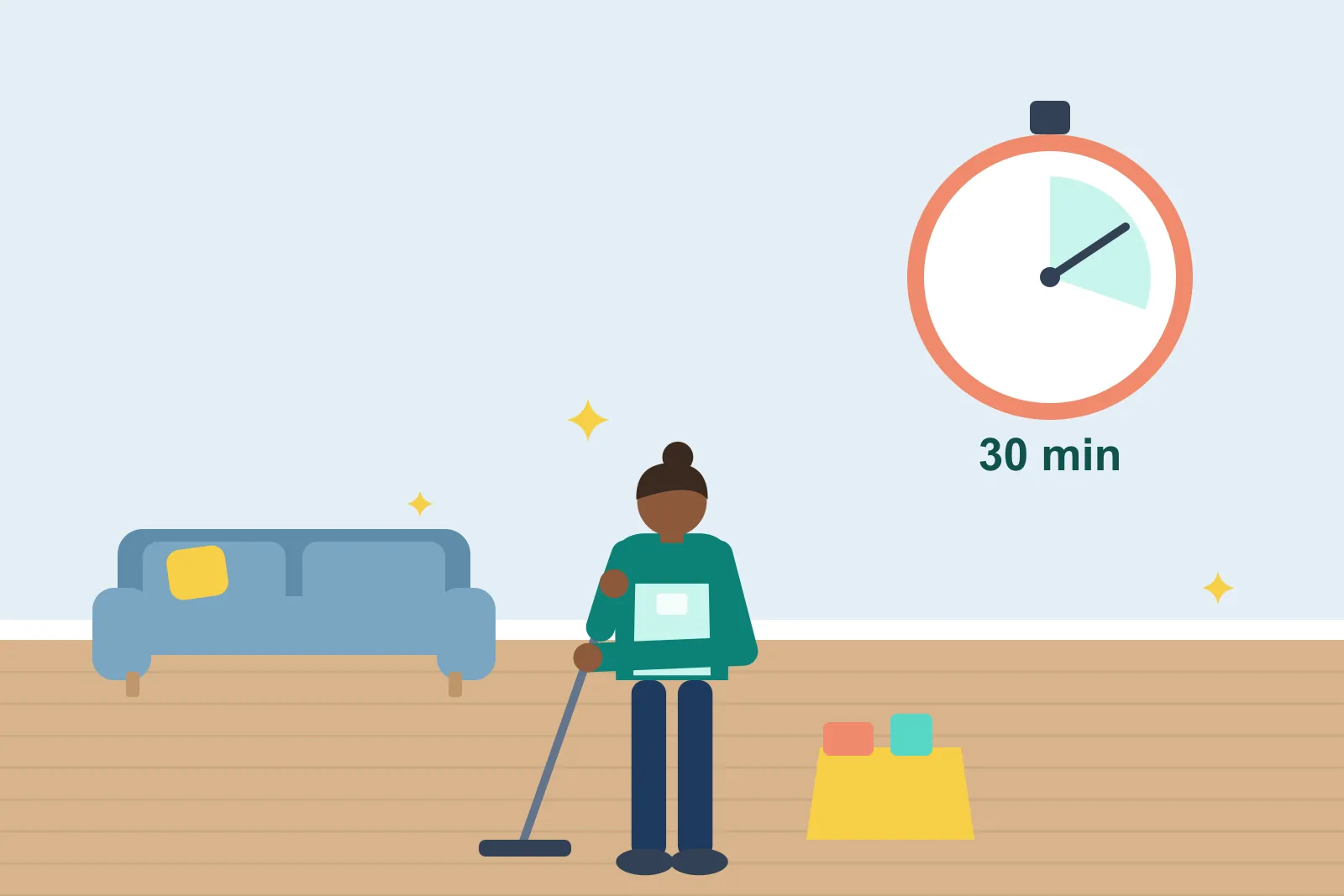
The single most effective habit is a short reset after the children are in bed – or before, with their help. Set a timer for 15 minutes: toys into boxes, dishes into the dishwasher, kitchen worktops wiped, a quick sweep of the kitchen floor, and anything on the stairs taken up. Waking up to a reset house makes mornings much easier.
Make storage do the work
Good storage makes tidying fast enough to actually happen:
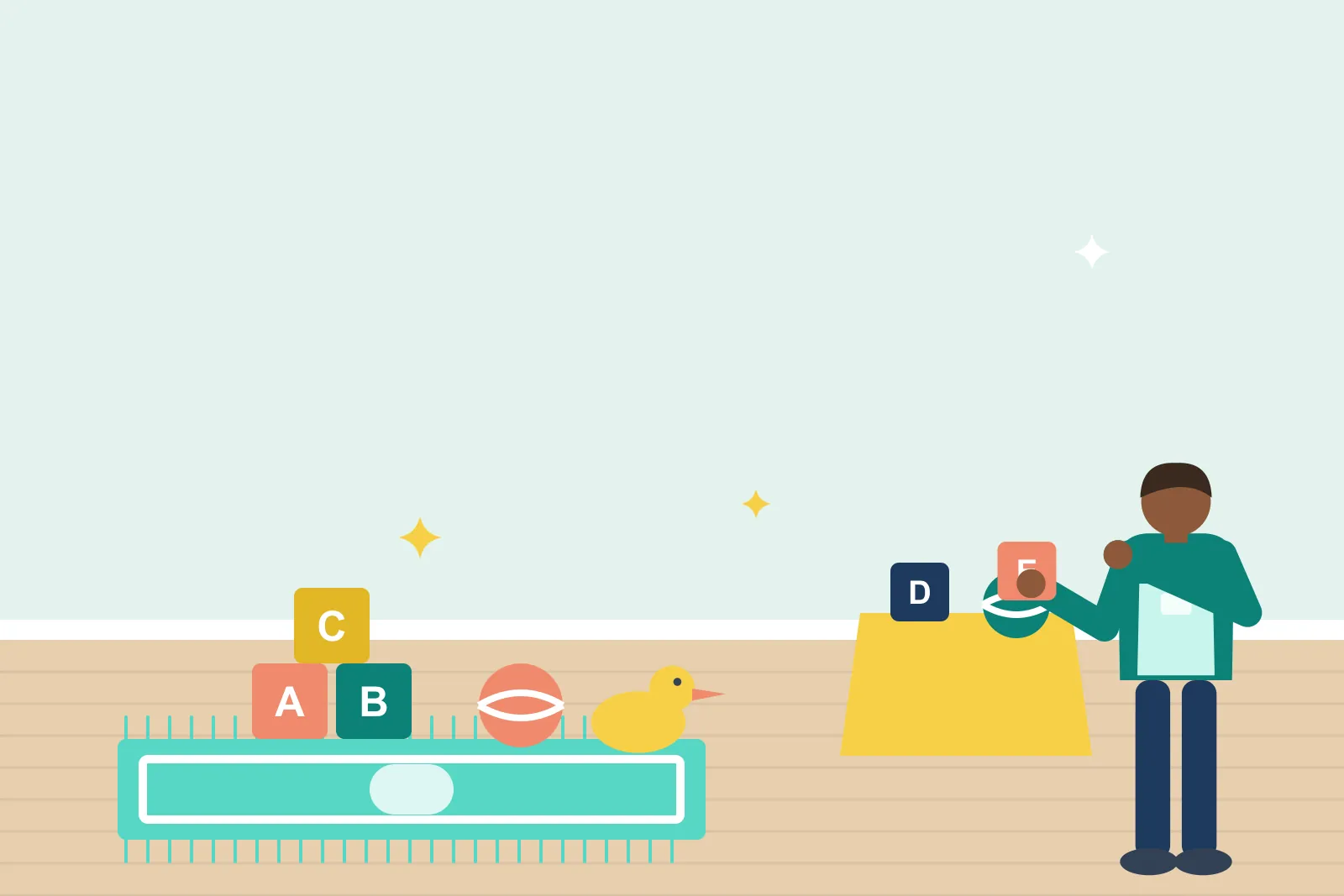
- Open boxes and baskets that children can tidy into without lids or fiddly drawers
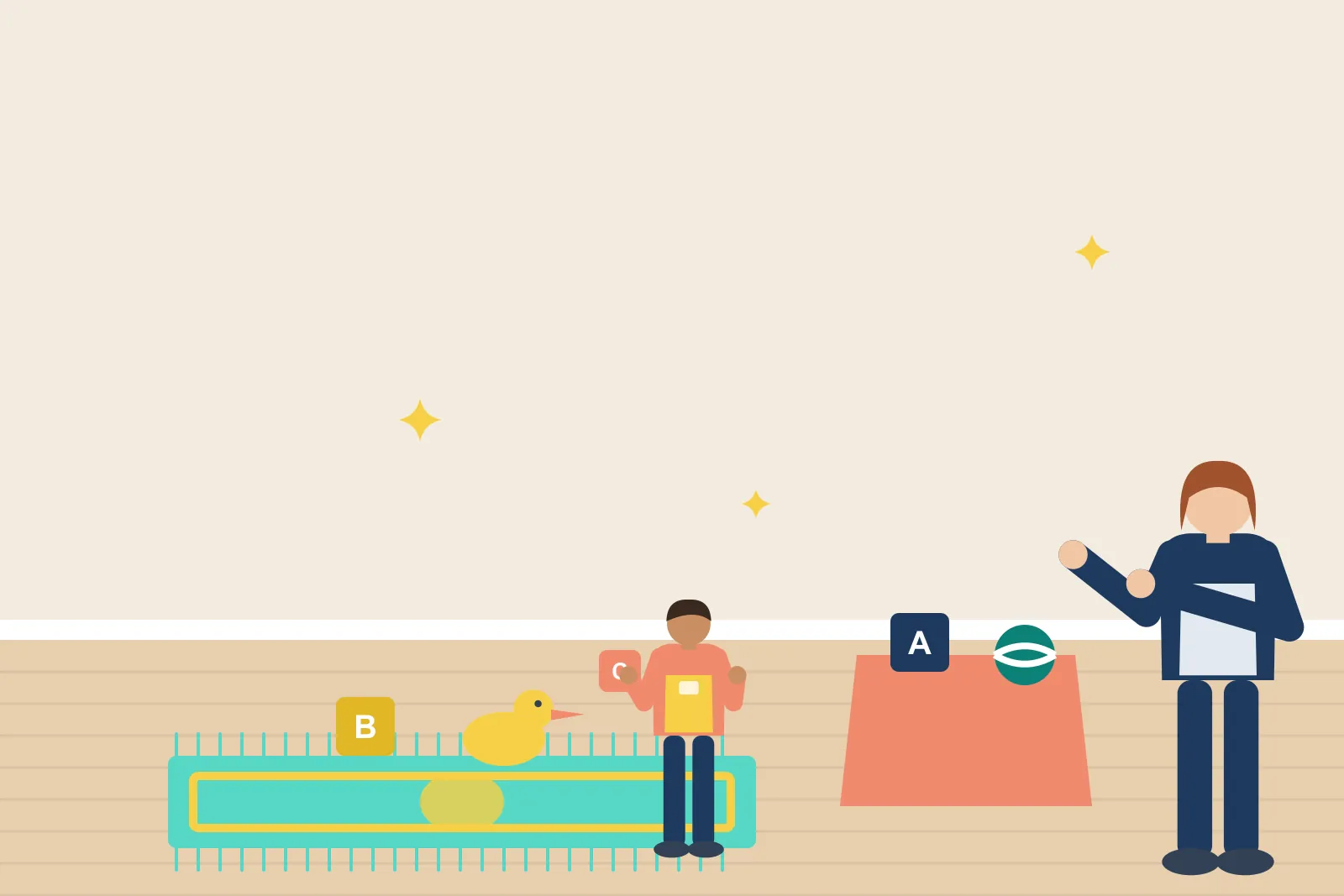
- Picture labels on boxes for younger children
- A toy rotation: keep some toys stored away and swap them every few weeks
- A hook and shoe rack at child height by the front door
- One 'dumping' basket per floor for things to take upstairs or downstairs
- A drawer or tray for school letters, so they don't spread across the kitchen
Chores by age
Children can help from a surprisingly young age:
| Age | Chores they can usually manage |
|---|---|
| 2–3 | Putting toys in boxes, putting dirty clothes in the basket, wiping up small spills |
| 4–6 | Setting the table, matching socks, feeding pets, dusting low surfaces |
| 7–9 | Making their bed, emptying the dishwasher (not knives), sweeping, sorting recycling |
| 10–12 | Vacuuming, cleaning the bathroom sink, loading the washing machine, simple cooking |
| 13+ | Cleaning bathrooms, changing beds, mopping, laundry from start to finish |
Age-appropriate chores. Every child is different – adjust to suit.
Get quotes from local cleaners
Dealing with the usual mess
Crayon on walls usually comes off with a dry melamine sponge used gently, or a little washing-up liquid on a cloth. Play dough in carpet is easiest when it has dried – break it up, vacuum it, then blot any colour with a damp cloth. Juice, yoghurt and food on carpet should be blotted and rinsed straight away – see our carpet stain removal guide.
Wipe high chairs after every meal and give them a thorough clean weekly – the straps and the crevices under the tray collect food. Wipeable rugs and washable sofa covers are worth considering while children are small.
Toys, nurseries and illness
Mouthed toys should be washed every few days; others every week or two. When someone has a sickness bug, disinfecting toilets, taps and touch points daily helps stop it going round the whole family. Our guides to cleaning children's toys, cleaning with a new baby and cleaning after a sickness bug cover these in detail.
When a cleaner makes sense
Many families find that a regular cleaner for two or three hours a week or fortnight – bathrooms, kitchen, floors and dusting – changes everything. You keep up the daily resets, and the cleaner does the deeper weekly work. Clear the floors and surfaces before the visit so their time goes on cleaning; see how to prepare for a cleaner. A deep clean a couple of times a year, with carpet cleaning, resets the bits that build up.