Find the source first
We get used to the smell of our own homes quickly, so the best test is to step outside for a few minutes and come back in, or ask a visitor. Then go room by room and sniff close to likely sources: bins, drains, fabrics, carpets, the fridge, the washing machine and dark corners.
Different smells point to different causes. Musty or earthy usually means damp or mould. Sour or rotten means food waste, a fridge or drains. Stale and heavy is often trapped cooking smells in soft furnishings. Ammonia suggests pet urine. Burning dust in autumn comes from radiators.
Kitchen smells
The bin is the usual suspect. Empty it before it's full, wash the inside of the bin itself monthly and sprinkle bicarbonate of soda in the bottom. The food waste caddy needs a wash every week or two. Outside, a dirty wheelie bin near the back door can make the whole kitchen smell in summer – see how to clean a wheelie bin.
Check the fridge for forgotten food and wipe up spills; an open box of bicarbonate of soda on a shelf absorbs odours. Clean the dishwasher filter and the washing machine seal and drawer, both common sources of a damp, sour smell. And clean the extractor hood filters, which hold old cooking fat – our guides to the fridge, dishwasher and extractor hood cover each one.
Bathroom and drain smells
Smells in bathrooms usually come from drains, the base of the toilet or damp towels. Clean hair out of plugholes, clean around the base of the toilet and behind it, and wash bath mats regularly. Run the extractor fan during and after showers and leave the door open afterwards. Our guide to getting rid of drain smells deals with plugholes and traps.
Soft furnishings, carpets and beds
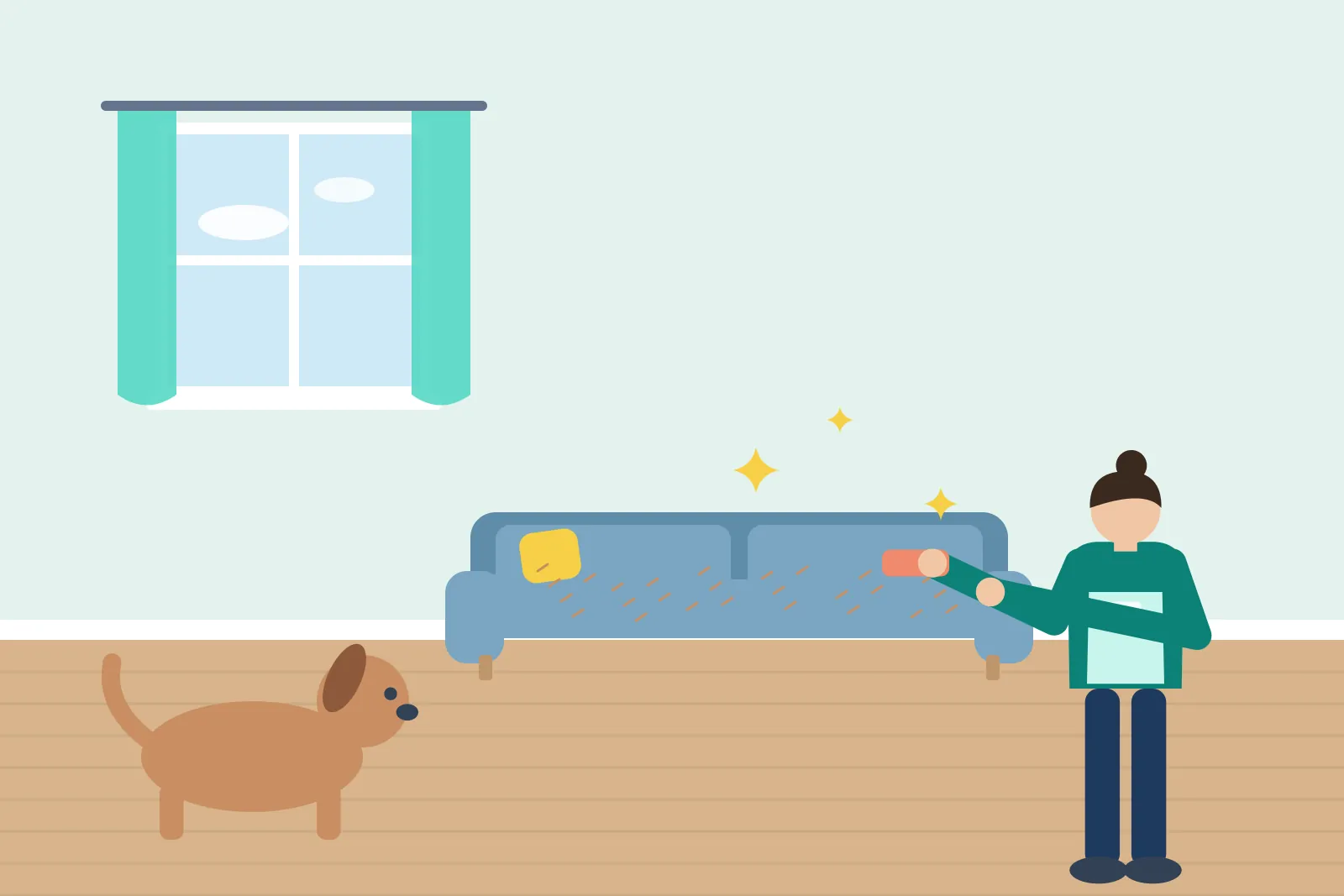
Fabrics absorb smells from cooking, smoking, pets and people. Vacuum carpets, rugs and sofas thoroughly, then sprinkle bicarbonate of soda over carpets and fabric sofas, leave it for a few hours (or overnight) and vacuum again. Wash cushion covers, throws and curtains if they're washable.
Mattresses and pillows hold sweat and moisture. Strip the bed and air the mattress once a month, and wash pillows and duvets a couple of times a year – see washing pillows and duvets. For persistent smells in carpets and upholstery, a professional carpet and upholstery clean rinses out what vacuuming can't reach.
Get quotes from local cleaners
Damp and musty smells
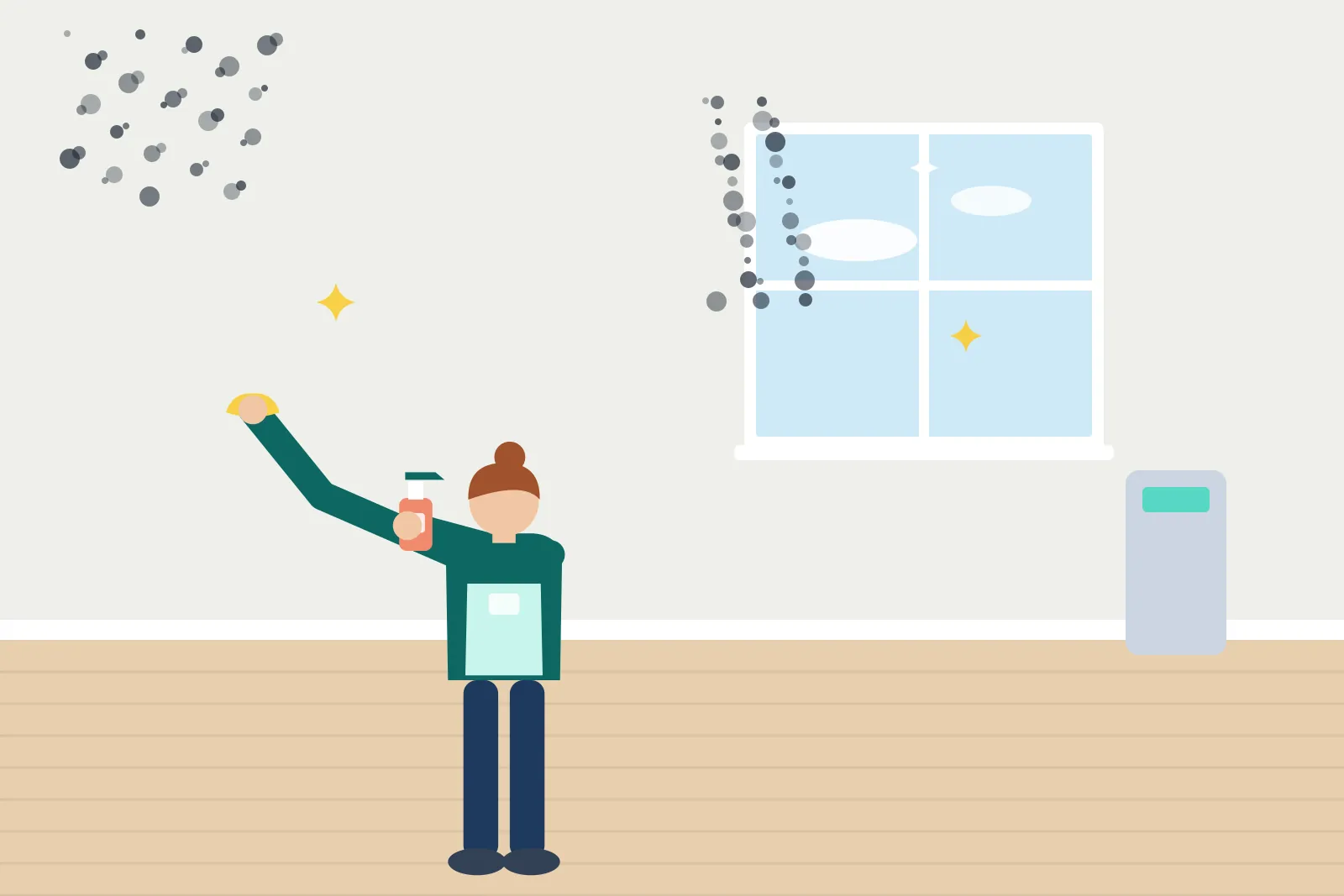
A musty smell is often the first sign of a damp or condensation problem, sometimes before mould is visible. Check behind furniture on external walls, inside wardrobes, under sinks and around windows. Improve ventilation, dry clothes outside or in a vented space, and wipe condensation each morning. Our guide to removing mould from walls and ceilings explains what to do if you find it.
Pets and smoking
Wash pet bedding every week or two, vacuum frequently and clean litter trays daily. Old urine in carpet and underlay needs an enzyme cleaner; our pet urine odour guide explains why ordinary cleaners don't work. Our main cleaning with pets guide covers hair and accidents.
Tobacco smoke leaves a sticky yellow residue on walls, ceilings, windows and fabrics that keeps releasing smell. Washing walls and ceilings, cleaning windows and blinds, and a professional carpet and upholstery clean are usually needed to remove it properly.
Natural ways to keep a home smelling fresh
Once the sources are dealt with, these habits help:
- Open windows for ten minutes each morning, even in winter, to change the air
- Leave bowls of bicarbonate of soda or activated charcoal in cupboards and wardrobes
- Simmer water with citrus peel, cinnamon or cloves on the hob for a natural scent
- Keep houseplants, which make a room feel fresher (although their effect on air quality is modest)
- Use a few drops of essential oil on a cotton pad in the vacuum bag or bin – keep oils away from pets, especially cats
- Choose unscented or lightly scented products if anyone has asthma; strong fragrances can trigger symptoms
When a professional clean helps
If a home smells stale despite your efforts – common after a long period of illness, a busy family year or in a property you've just moved into – a deep clean tackles the hidden sources: behind appliances, inside cupboards, under beds, extractor filters and drains. Pair it with carpet and upholstery cleaning for the best result.