Why urine smells come back
Urine soaks quickly through carpet into the backing and underlay, and sometimes into the floorboards or screed below. As it dries, it leaves uric acid salts that don't dissolve easily in water. Every time the area gets humid – a damp day, a mop, a carpet cleaner – the salts reactivate and the smell returns.
That's why a quick surface clean often makes the smell worse for a few days, and why pets keep returning to the same spot: they can smell it long after we can't.
Fresh accidents: act fast
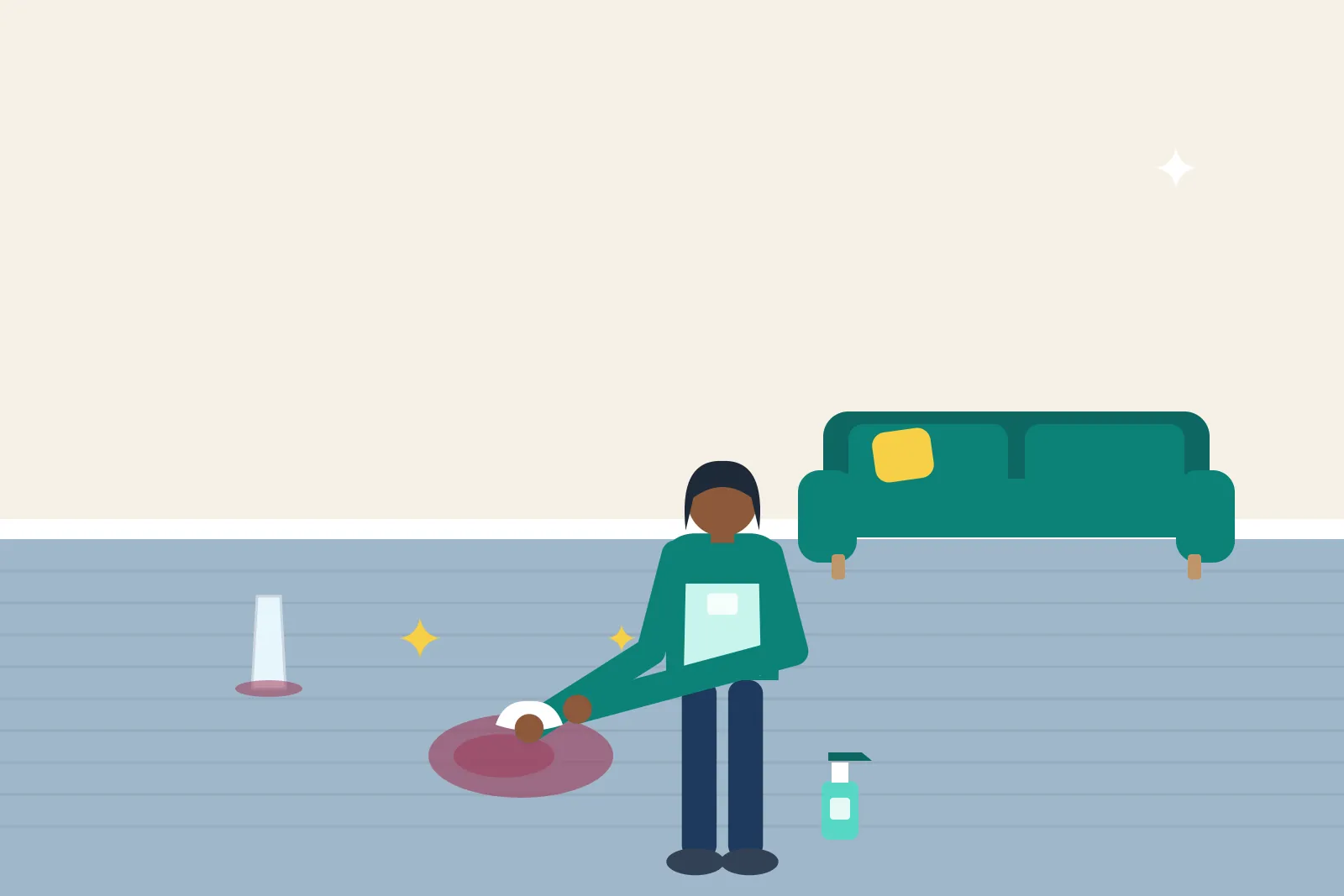
Blot up as much as possible with kitchen paper or an old towel, pressing firmly – stand on it if needed. Don't rub. Then apply an enzyme cleaner made for pet urine, following the label, and leave it to work for the full time. Enzymes break down the uric acid and organic matter that cause the smell.
Avoid ammonia-based cleaners, which smell like urine to pets and encourage them to go there again, and avoid steam or hot water on fresh urine, which can set the stain and odour.
Finding old urine spots
Old stains aren't always visible. A UV torch in a darkened room shows dried urine as a yellow-green glow on carpets, sofas and walls. Professional carpet cleaners use UV lights and moisture readers to map affected areas, including spots that have spread under the surface.
Carpets and underlay
For older or repeated accidents, a surface treatment often isn't enough. Professional pet urine treatment typically involves saturating the area with an enzyme or oxidising treatment and using a sub-surface extraction tool that pulls liquid up through the carpet and underlay. Severe cases may need the underlay replaced and the subfloor sealed.
Book this treatment alongside a full carpet clean – it's usually priced per affected area on top of the room price. Cleaners can neutralise the odour, but old urine can permanently bleach or discolour some carpet dyes, which cleaning can't reverse.
Get quotes from local cleaners
Sofas, mattresses and rugs
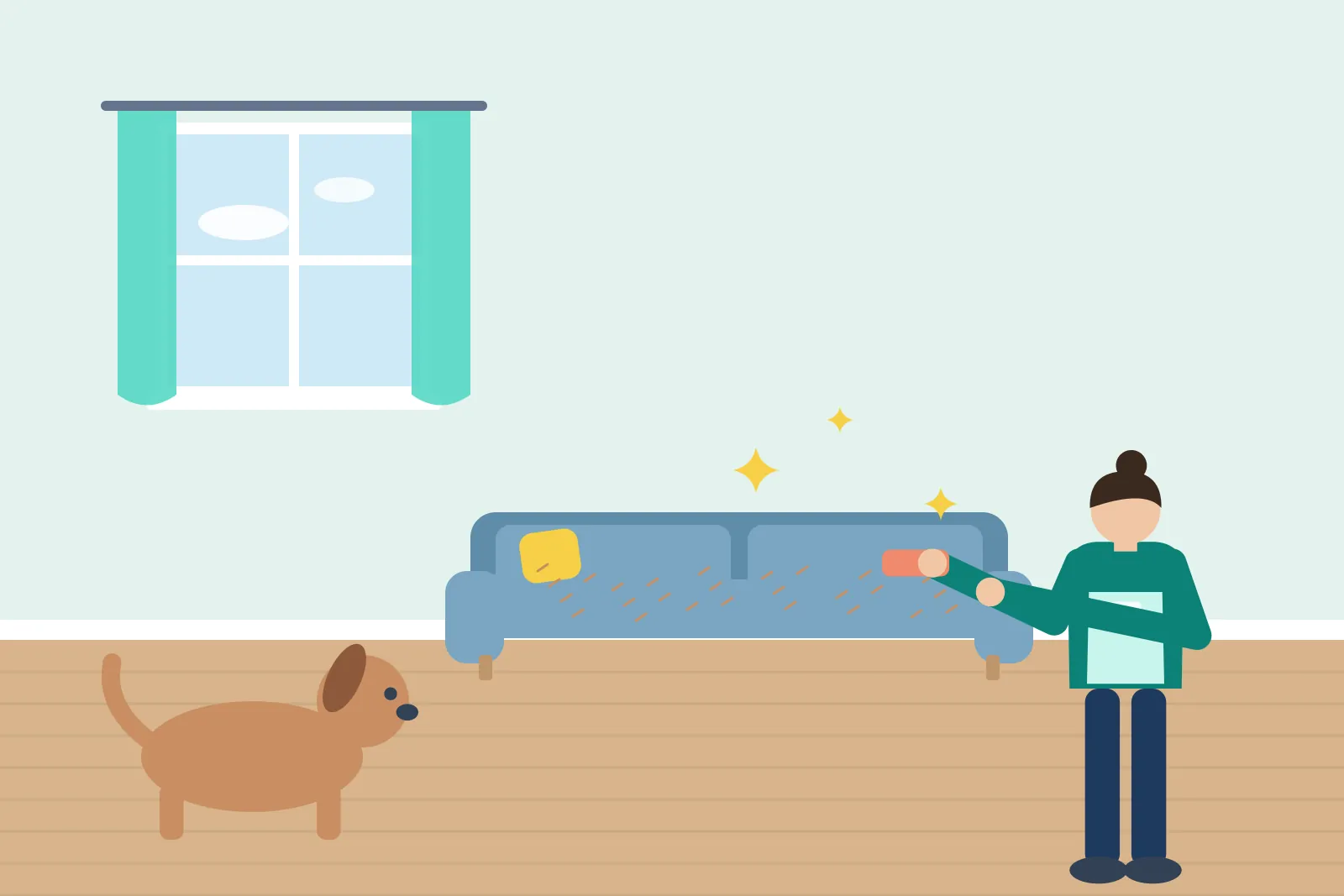
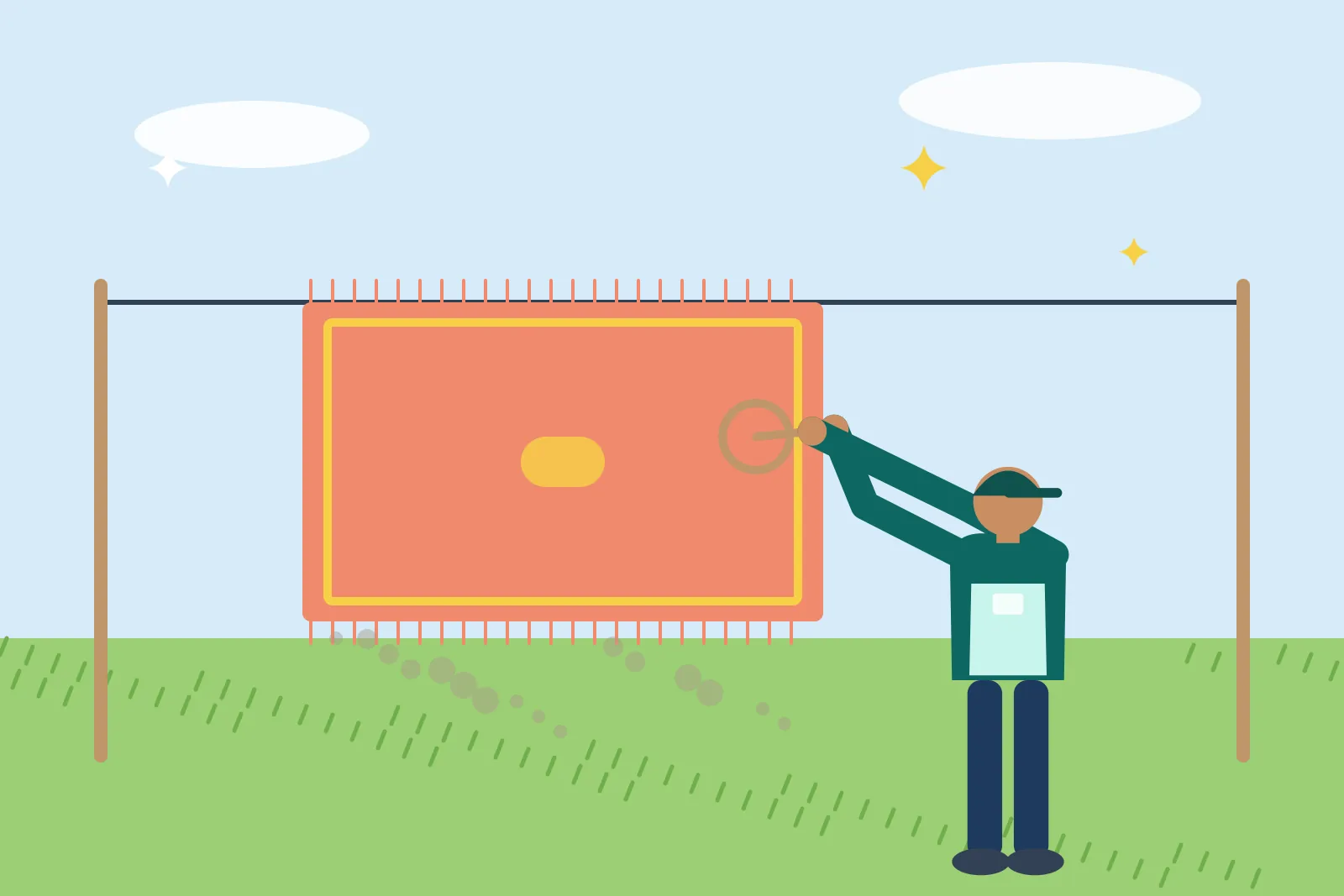
Upholstery and mattresses absorb urine into the foam. Blot and use an enzyme cleaner that's safe for the fabric, following the cleaning code on the label. Professional upholstery cleaners can treat and extract urine from many sofas and mattresses; very old or saturated foam may need replacing. Rugs can often be cleaned in a workshop, where they're washed and dried properly – see how to clean a rug.
Stopping it happening again
Removing the smell is part of the answer; preventing repeat accidents is the other:
- Rule out medical causes with your vet, especially if accidents are new in an older pet
- Keep litter trays very clean, and have one more tray than you have cats
- Clean accident areas with enzyme cleaners so they no longer smell like a toilet
- Use positive reinforcement and regular toilet breaks for dogs
- Restrict access to problem areas while you retrain
Pets in rented homes
Urine damage to carpets is a common cause of deposit disputes when tenants with pets move out. A professional carpet clean with urine treatment before the check-out inspection – with a receipt – is usually far cheaper than a carpet replacement deduction. Our guides to deposit deductions for cleaning and whether tenants have to clean carpets explain how it's assessed. For everyday pet cleaning, see cleaning with pets.