Vacuuming: the job that matters most
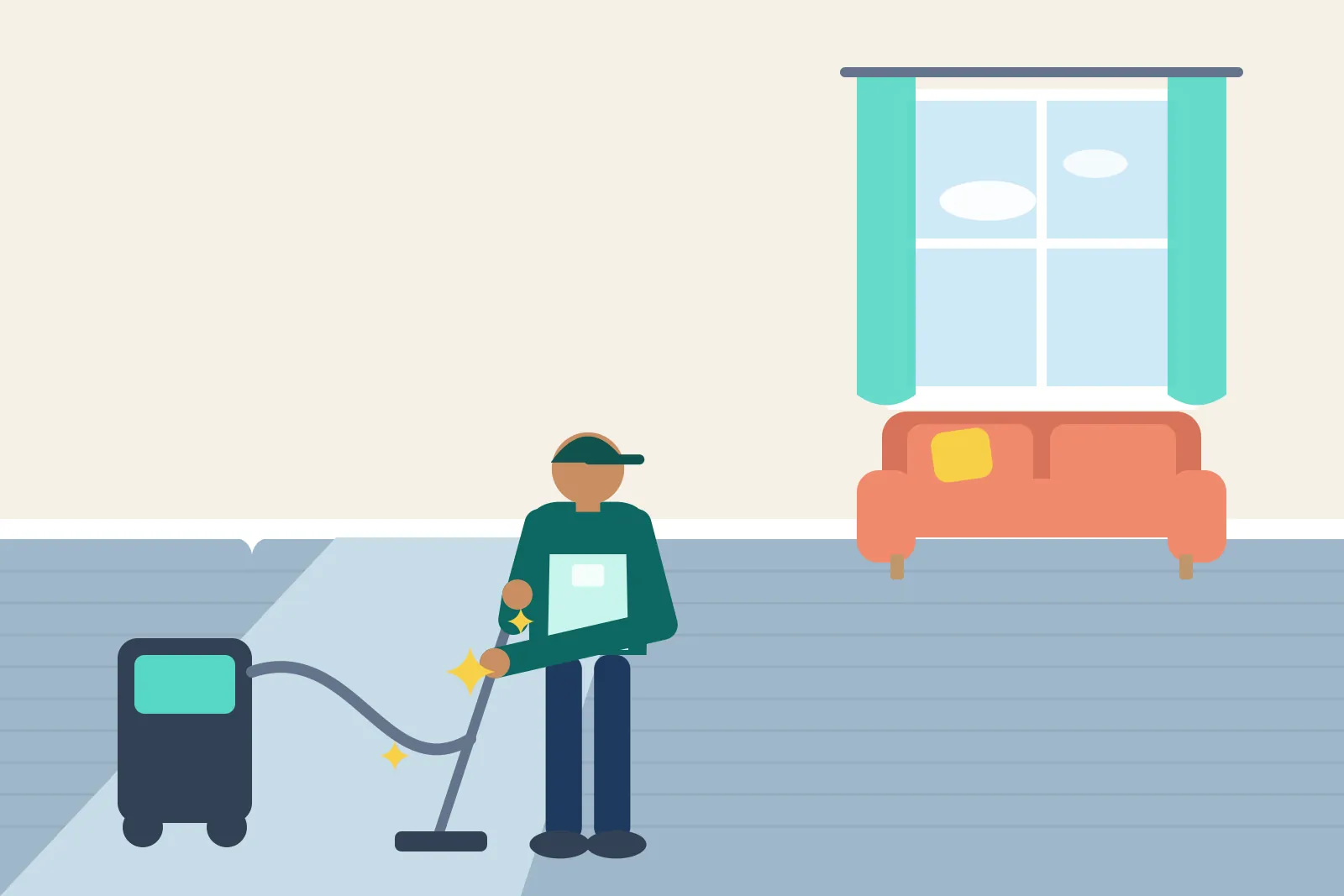
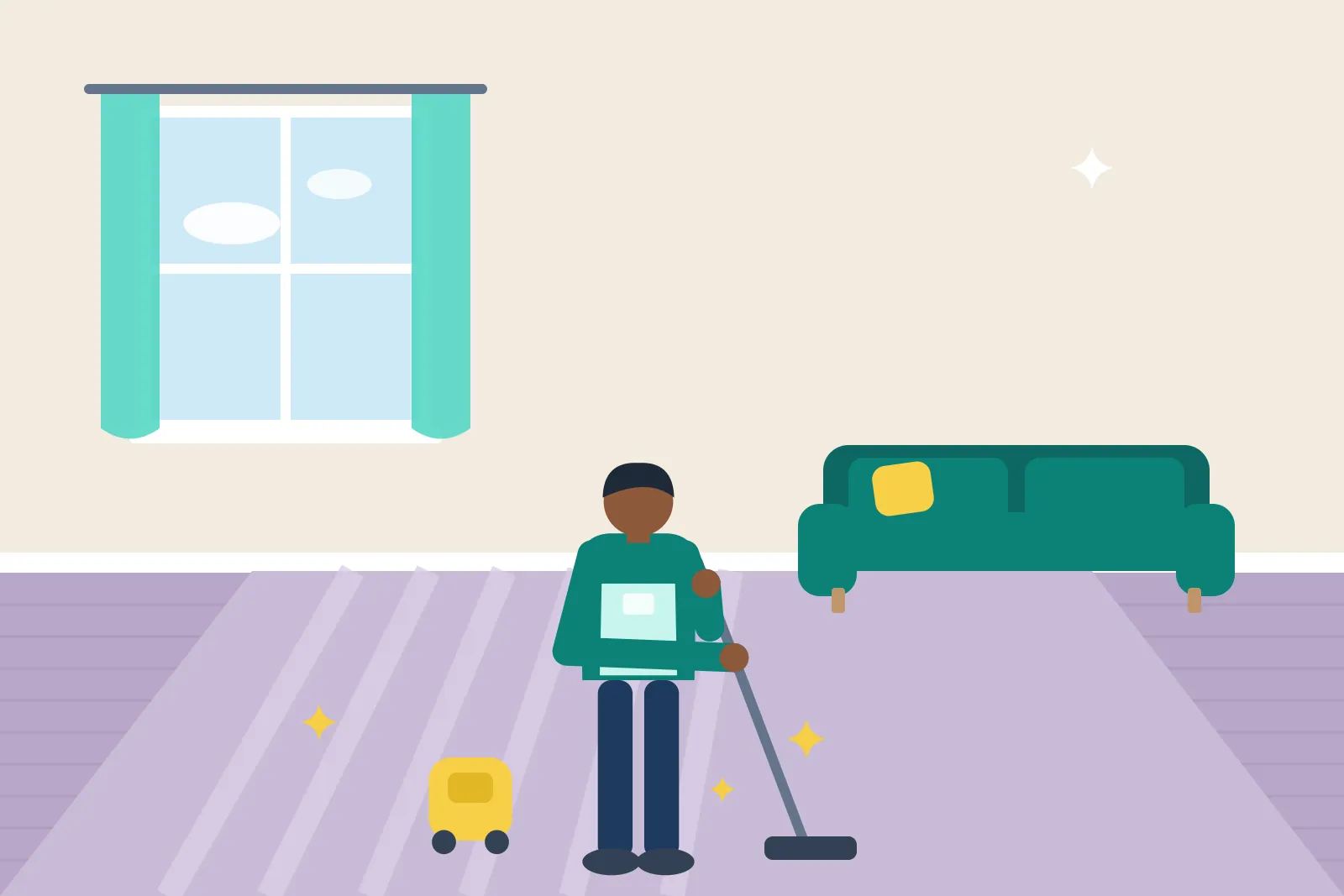
Dry soil – grit, sand and dust – does the most damage to carpets, wearing the fibres down every time you walk on them. Regular vacuuming is the best way to make carpet last. Go slowly, in overlapping strokes, and make several passes in different directions over busy areas like hallways and in front of the sofa.
Keep the vacuum in good shape: empty the bin or change the bag before it's full, clean or replace filters, and cut hair from the brush roll. Set the height to suit your carpet – too low on a deep pile and the vacuum struggles to move; too high on a short pile and it barely picks anything up.
How often to vacuum
How often depends on traffic, pets and children, but as a starting point:
| Area | How often |
|---|---|
| Hallways, stairs and living rooms | Two or three times a week |
| Bedrooms | Once a week |
| Homes with pets or allergies | Every day or two in main areas |
| Rarely used rooms | Every week or two |
Rough vacuuming guide
Dealing with spills
Speed matters more than products. Scrape up solids, then blot liquid spills with a clean white cloth or kitchen roll, pressing down firmly. Don't rub – it pushes the spill deeper and roughs up the fibres. Work from the outside of the spill inwards so it doesn't spread.
Once you've blotted up as much as you can, dab with a little cold water and blot again. If you use a carpet spot cleaner, check it's suitable for your carpet (wool and some natural fibres need specific products) and test it on a hidden area first. Some stains, particularly older ones, can't be removed completely, and repeated scrubbing can do more harm than good.
Using a hire or home carpet cleaner
Supermarkets and DIY shops hire out carpet cleaning machines, and you can buy smaller home versions. They can freshen carpets well, but the most common mistake is over-wetting, which leaves carpets damp for a long time, can cause shrinkage or brown marks, and can lead to smells.
- Vacuum thoroughly first – the machine isn't designed to pick up dry dirt
- Use the recommended amount of solution, not more
- Do more dry passes (suction only) than wet passes
- Open windows and keep air moving to help drying
- Keep people and pets off until the carpet is dry
- Check your carpet's care instructions – some wool and natural fibre carpets shouldn't be wet-cleaned at home
Get quotes from local cleaners
Professional cleaning: what's different
Professional carpet cleaners usually use powerful hot water extraction machines that inject cleaning solution and extract it with much stronger suction than hire machines, so more dirt comes out and carpets dry faster. Many also pre-treat traffic lanes and stains, and some offer low-moisture methods for delicate carpets.
Many carpet manufacturers recommend periodic professional cleaning – check your warranty. Our carpet cleaning guide explains the different methods, and our carpet cleaning prices give indicative costs.
Rugs are different
Rugs can often be cleaned more easily than fitted carpet, but they can also be more delicate. Shake or beat small rugs outside to remove grit, and vacuum both sides of larger ones. Flatweave and synthetic rugs may be washable – check the label.
Wool, silk, jute, sisal and hand-knotted rugs are best left to specialists. Water can cause colours to run, fibres to shrink or natural materials to brown. If a rug is valuable or sentimental, don't experiment.
Stairs and high-traffic areas
Stairs wear fastest, because every step takes the full weight of every foot, and the front edge of each tread collects grit. A handheld vacuum or the crevice tool along the back of each step makes a big difference. Hallways and the area in front of the sofa are the other hot spots.
Professional cleaners often 'pre-treat' these traffic lanes before extraction, because they hold more oily soil than the rest of the carpet. At home, more frequent vacuuming is the best defence.
Getting rid of carpet smells
Sprinkling bicarbonate of soda, leaving it for a few hours and vacuuming it up can freshen a carpet. But if a smell comes back, the cause – usually pet urine, damp or a spill that soaked into the underlay – needs dealing with. Enzyme cleaners are designed for pet accidents; damp underlay may need a professional or replacing.