Know the main triggers
Indoors, the most common allergy triggers are house dust mites (tiny creatures that live in bedding, carpets and soft furnishings), pet dander, mould spores and pollen brought in from outside. Strong fragrances and some cleaning sprays can also irritate airways. If you or someone in your home has a diagnosed condition, follow advice from your GP or specialist – cleaning helps, but it's one part of managing allergies.
Bedrooms first
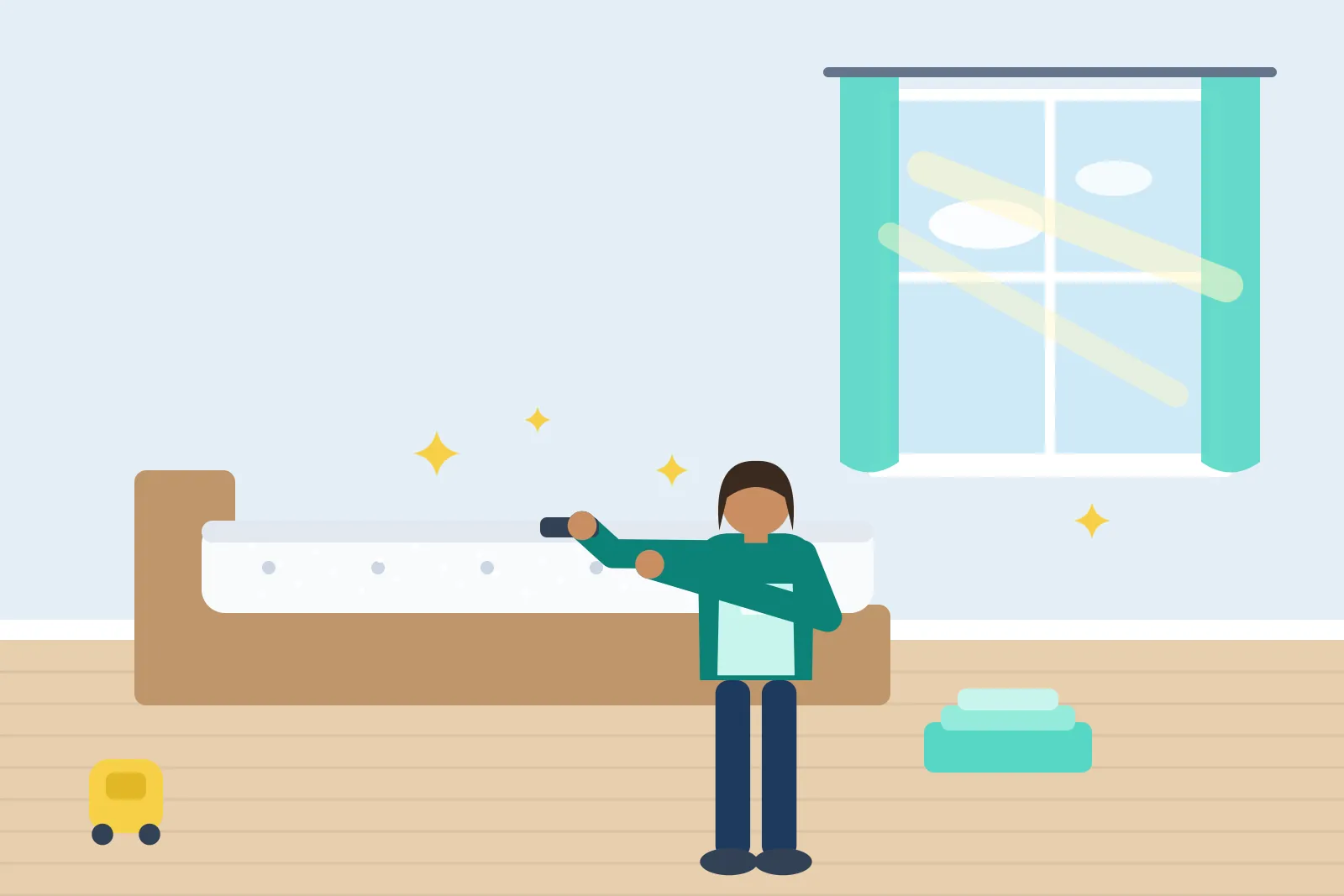
We spend hours each night in close contact with bedding, so the bedroom is the place to start.
- Wash bedding weekly – washing at 60°C is commonly recommended to help reduce dust mites, where labels allow
- Consider allergen-proof covers for mattresses, pillows and duvets
- Keep bedrooms uncluttered so dust has fewer places to settle
- Vacuum the mattress regularly – see how to clean a mattress
- Keep pets out of bedrooms if dander is a trigger
Vacuuming and dusting
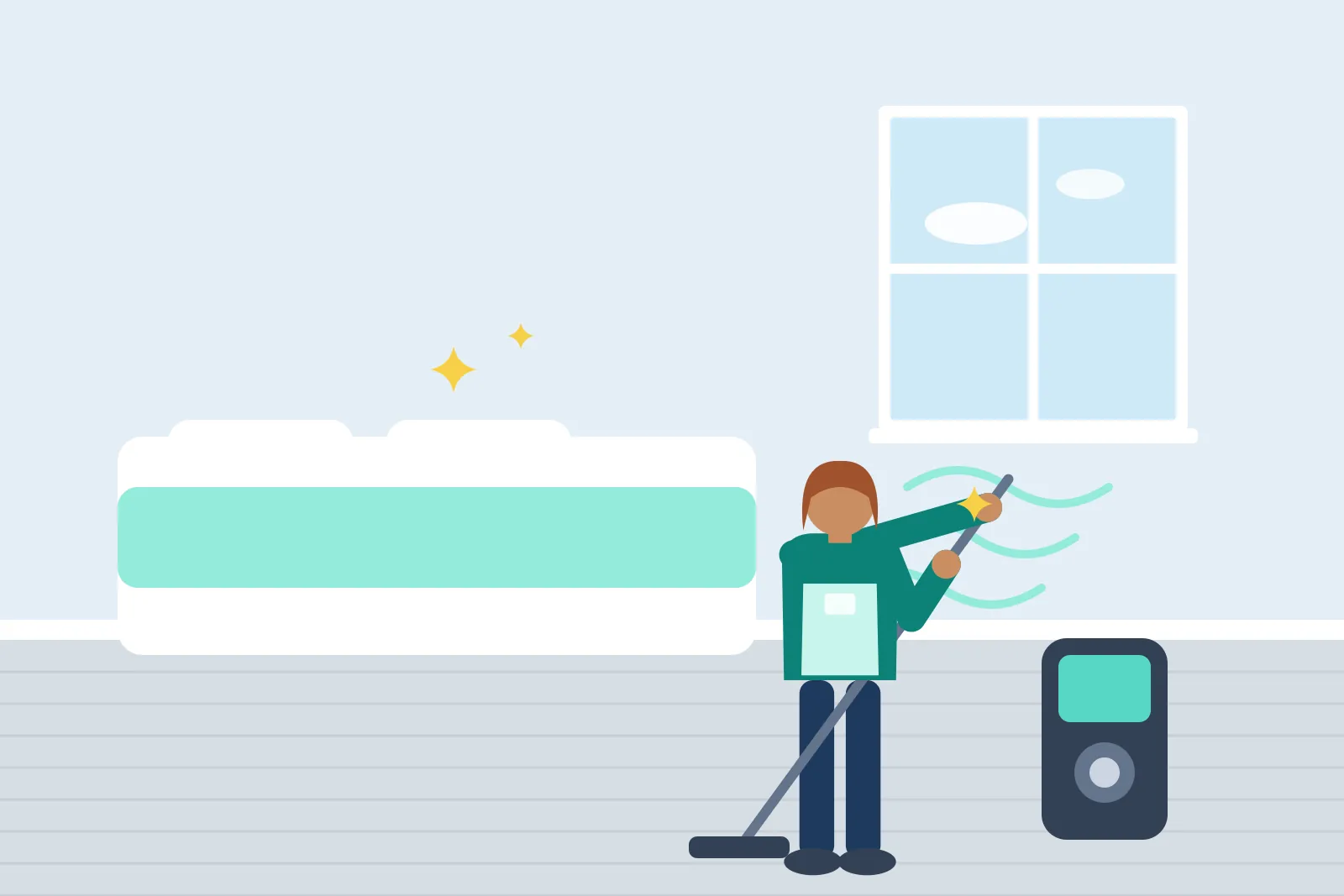
A vacuum with a HEPA filter traps fine particles rather than blowing them back into the air. Empty bagless vacuums outdoors if you can. Dust with a damp microfibre cloth, which captures dust instead of scattering it. Work from high to low so dust falls onto areas you haven't cleaned yet, and finish with the floor.
If possible, the person with allergies shouldn't do the vacuuming and dusting, or should leave the room for a while afterwards while dust settles.
Products and fragrance
Strongly scented products and aerosol sprays can trigger symptoms in some people. Fragrance-free products, or spraying onto a cloth rather than into the air, can help. Avoid using several products at once, and never mix them. Good ventilation while cleaning helps clear the air.
Mould and damp
Mould spores are a common trigger. Reduce condensation by ventilating, using extractor fans and drying washing outside or in a ventilated room. Clean small areas of surface mould promptly – our bathroom mould guide explains how to do it safely. Large or recurring mould may point to a damp problem that needs fixing.
Get quotes from local cleaners
Pollen
During pollen season, keep windows closed at peak times, change clothes after being outside, and wipe pets down when they come in. Clean windowsills and frames, where pollen settles.
Cleaning tools that help
A few tools make an allergy-friendly routine easier:
- A vacuum with a HEPA filter and a sealed design
- Microfibre cloths for damp dusting
- Allergen-proof mattress, pillow and duvet covers
- Washable throws and cushion covers
- A hygrometer to check humidity levels
- A dehumidifier if your home is often damp
A weekly allergy-friendly routine
Wash bedding once a week, vacuum carpets and upholstery at least twice a week, and damp-dust surfaces weekly. Clean bathrooms weekly and treat any mould promptly. Keep clutter down in bedrooms. Ventilate rooms daily, but close windows at high pollen times if pollen is a trigger.
If you have a cleaner, agree this routine with them, along with any products to avoid.
Soft furnishings and carpets
Carpets, curtains and upholstery hold dust and allergens. Regular vacuuming helps, and professional hot water extraction can remove more from deep in carpet fibres. Washable throws and cushion covers are easier to keep clean than fixed upholstery. See how to clean carpets at home.