How each model works
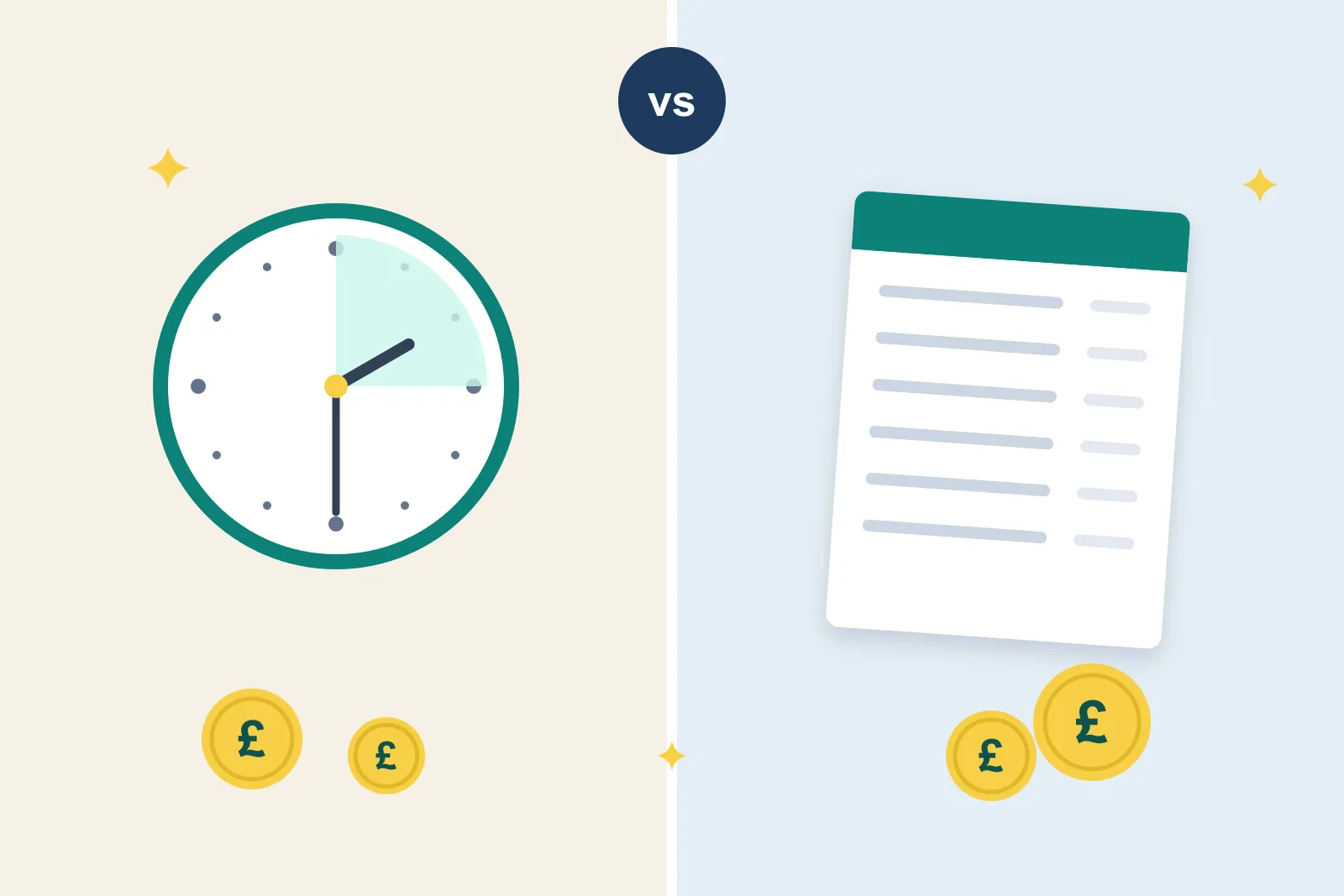
With hourly pricing, you pay for the time the cleaner spends in your home – for example, three hours at an agreed rate. What gets done depends on what can be done in that time. With fixed pricing, you pay an agreed price for a defined job – for example, an end of tenancy clean of a two-bedroom flat to a checklist – regardless of how long it takes.
In the UK, regular domestic cleaning is usually charged by the hour, while end of tenancy cleans, after builders cleans, carpet cleaning and oven cleaning are usually fixed price. Deep cleans can be either.
Pros and cons at a glance
Each model suits different jobs:
| Hourly | Fixed price | |
|---|---|---|
| Best for | Regular cleaning, flexible task lists | One-off jobs with a clear scope |
| Price certainty | Lower – depends on time taken | Higher – agreed in advance |
| Flexibility | Easy to change priorities each visit | Changes may cost extra |
| Risk of overruns | You pay for extra time | The company carries it, within the agreed scope |
| Comparing quotes | Compare rate and estimated hours | Compare the checklist and guarantee |
General comparison of pricing models.
Regular cleaning: why hourly works
Regular cleaning is a recurring routine where priorities change week to week – one week the oven, another the windows inside. Hourly pricing keeps it flexible, and a reliable cleaner quickly learns how much can be done in the time. The key is choosing the right number of hours; see how many hours a cleaner needs.
Some cleaning companies price regular cleaning per visit, which is a fixed price for a set number of hours or a set task list. It works the same way but makes budgeting easier. See house cleaning prices for typical rates.
One-off and move-out cleans: why fixed price works
For an end of tenancy or after builders clean, you need a defined result – everything on the checklist – rather than a number of hours. A fixed price based on the number of bedrooms, bathrooms and extras puts the risk of overruns on the company and makes quotes easy to compare. Many fixed-price quotes come with a re-clean guarantee; see end of tenancy cleaning guarantees.
The catch is that fixed prices assume a typical condition. If the property is much dirtier than described, the company may adjust the price on arrival. Photos and honest descriptions avoid this.
Get quotes from local cleaners
Deep cleans: either can work
Deep cleans are quoted both ways. Hourly quotes should include the estimated number of cleaner-hours and team size, so you can compare total cost. Fixed quotes should include a checklist. Ask what happens if the team doesn't finish in the estimated time: will they stay and charge more, return another day, or leave some tasks? See how long a deep clean takes and deep cleaning prices.
How to compare quotes fairly
To compare an hourly quote with a fixed one:
- Convert hourly quotes to a total: rate × estimated hours × number of cleaners
- Check whether products, equipment, VAT and travel are included
- Compare checklists, not just prices – especially for fixed quotes
- Ask about minimum charges and cancellation terms
- Check insurance and any guarantee
Business cleaning
Office and commercial cleaning contracts are usually priced per cleaner-hour, built up from a specification of tasks and frequencies, then presented as a monthly fee. One-off commercial jobs are often fixed price. See office cleaning prices and how to choose an office cleaning company. For a full checklist of what any quote should state, see what to include in a cleaning quote.