Why industrial cleaning matters
In warehouses and factories, dirt and debris on floors cause slips and trips and make forklift trucks harder to control. Dust building up on high-level beams, lighting and racking can fall onto stock, contaminate products and – with some materials – become a fire or explosion hazard. Welfare facilities must be kept clean under workplace health and safety regulations.
A good cleaning programme also protects expensive floor coatings, keeps stock presentable for customers and auditors, and makes a site easier to inspect for hazards.
Floors
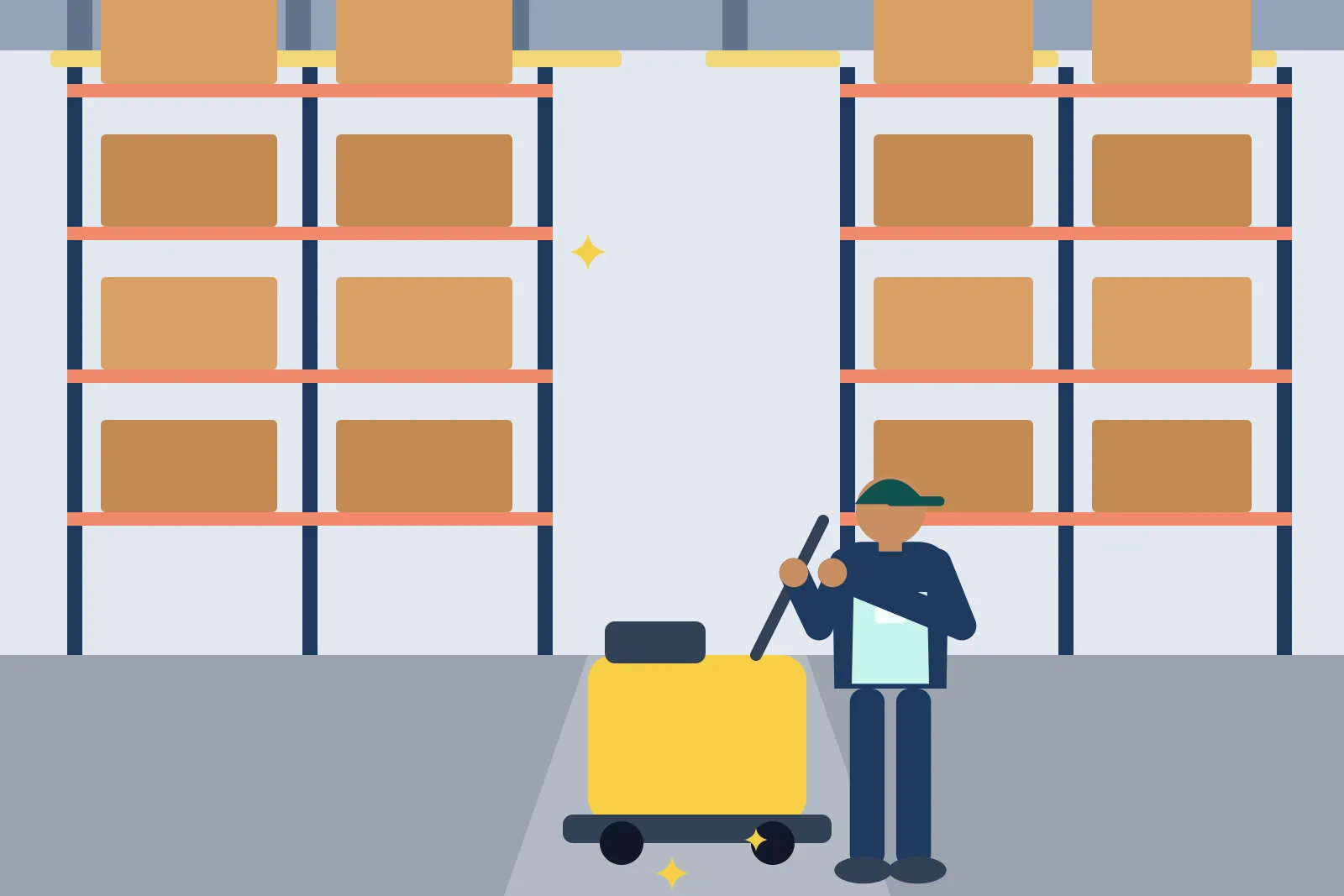
Large floor areas are usually cleaned with ride-on or walk-behind sweepers to remove dust and debris, followed by scrubber-dryers that wash and dry the floor in one pass. Frequencies depend on traffic – busy aisles and loading areas may need daily sweeping, with scrubbing weekly or more often.
Resin and epoxy-coated floors should be cleaned with products recommended by the coating manufacturer. Oil and fluid spills need prompt treatment with absorbents and degreasers; keep spill kits near areas where vehicles are charged or fuelled.
High-level and racking cleaning
Dust on racking, beams, ducts, lights and the tops of machinery needs periodic specialist cleaning, often from mobile elevating work platforms (MEWPs) operated by trained staff. Planning matters: stock may need covering or moving, and areas need to be closed to traffic while work is done at height. Racking should also be inspected for damage regularly, and cleaning is a good time to spot problems.
Loading bays, yards and welfare areas
Beyond the main floor:
- Loading bays: swept and cleared of pallets, wrapping and debris daily
- Dock levellers and doors: cleaned and kept free of debris
- Yards: swept regularly, with oil spills treated and drains kept clear
- Welfare areas: toilets, showers, canteens and rest rooms cleaned daily
- Offices on site: cleaned to an office specification – see what's included in office cleaning
Get quotes from local cleaners
Food and regulated manufacturing
Food factories and other regulated manufacturing sites have much stricter hygiene requirements, often set by certification schemes and customer audits. Cleaning there typically follows documented procedures with verification testing, and is often carried out by specialist hygiene contractors or trained in-house hygiene teams rather than general cleaners.
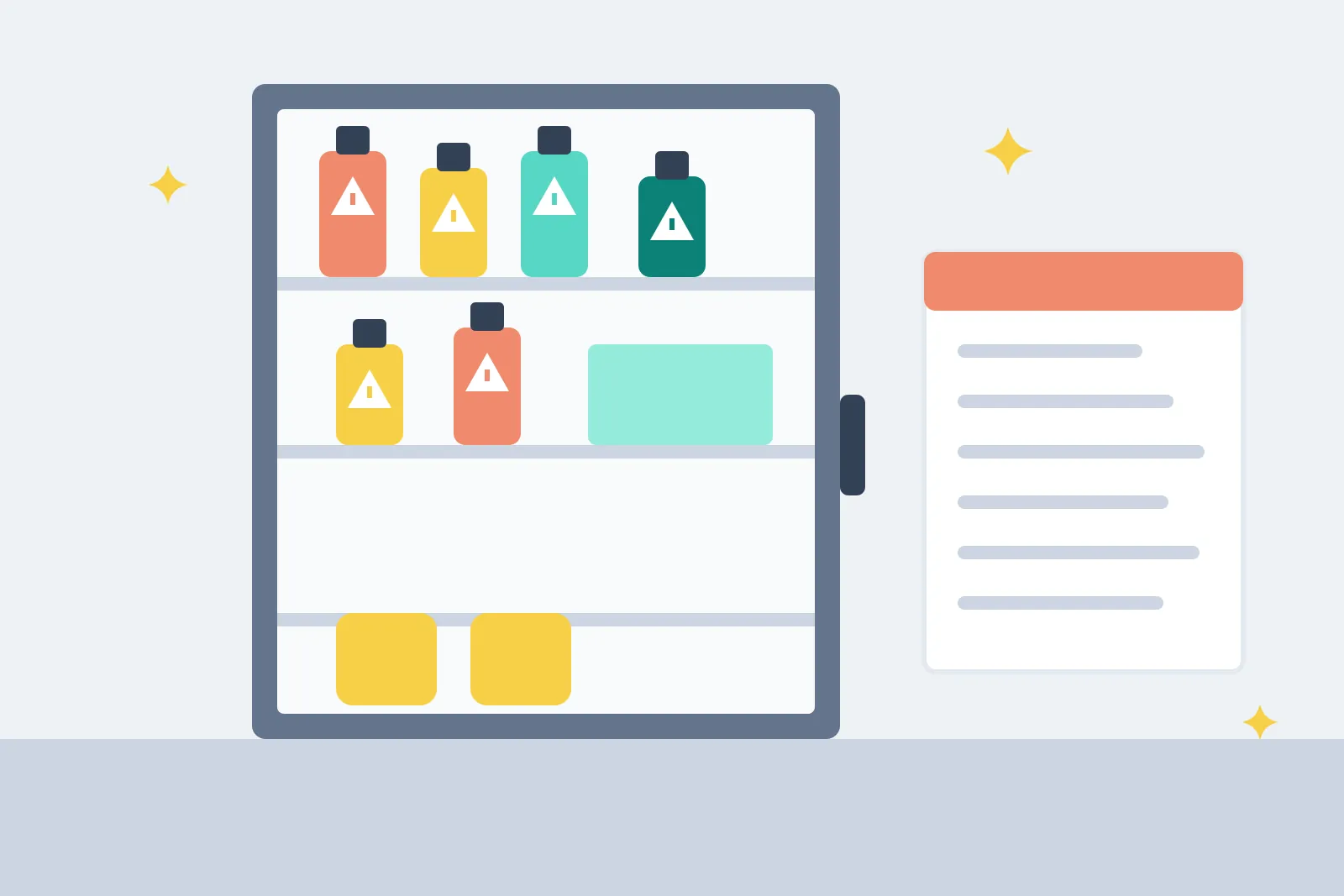
Safety and COSHH
Industrial cleaning involves machinery, chemicals, working at height and moving vehicles. Contractors should provide risk assessments and method statements (RAMS) for the work, COSHH assessments for products, training records for machine and MEWP operators, and evidence of insurance. They should follow your site rules, inductions and permit-to-work systems. See COSHH and cleaning products.
Choosing an industrial cleaning contractor
Look for a commercial cleaning contractor with industrial experience and its own machinery, or one that hires and operates the right equipment. Ask for references from similar sites, details of supervision on nights and weekends, and how quality and safety will be monitored. If you're replacing an existing contractor, staff may transfer under TUPE – see switching cleaning contractors.
Building a cleaning schedule
Industrial sites work best with a written schedule split into daily, weekly, monthly and periodic tasks. Daily tasks typically include sweeping main aisles and loading bays, emptying bins and cleaning welfare areas. Weekly tasks include machine scrubbing, cleaning offices and checking spill kits. Monthly and quarterly tasks cover racking, high-level areas, drains and yards.
Link the schedule to your health and safety risk assessments: areas where spills or dust create a hazard need more frequent attention. Review it with your contractor after any change in operations, such as a new production line or a change of shift pattern, so cleaning keeps pace with how the site is used.