Start with the care label
Before using any liquid on your sofa, find the care label – usually under a seat cushion or on the base – or check the manufacturer's website. It will tell you whether the fabric can be cleaned with water, needs a solvent-based product or should only be professionally cleaned. Ignoring this is the quickest way to end up with water marks or shrunken covers.
If there's no label and you're not sure, test any method on a hidden area first, such as the back or underneath, and let it dry before judging.
Regular care for fabric sofas
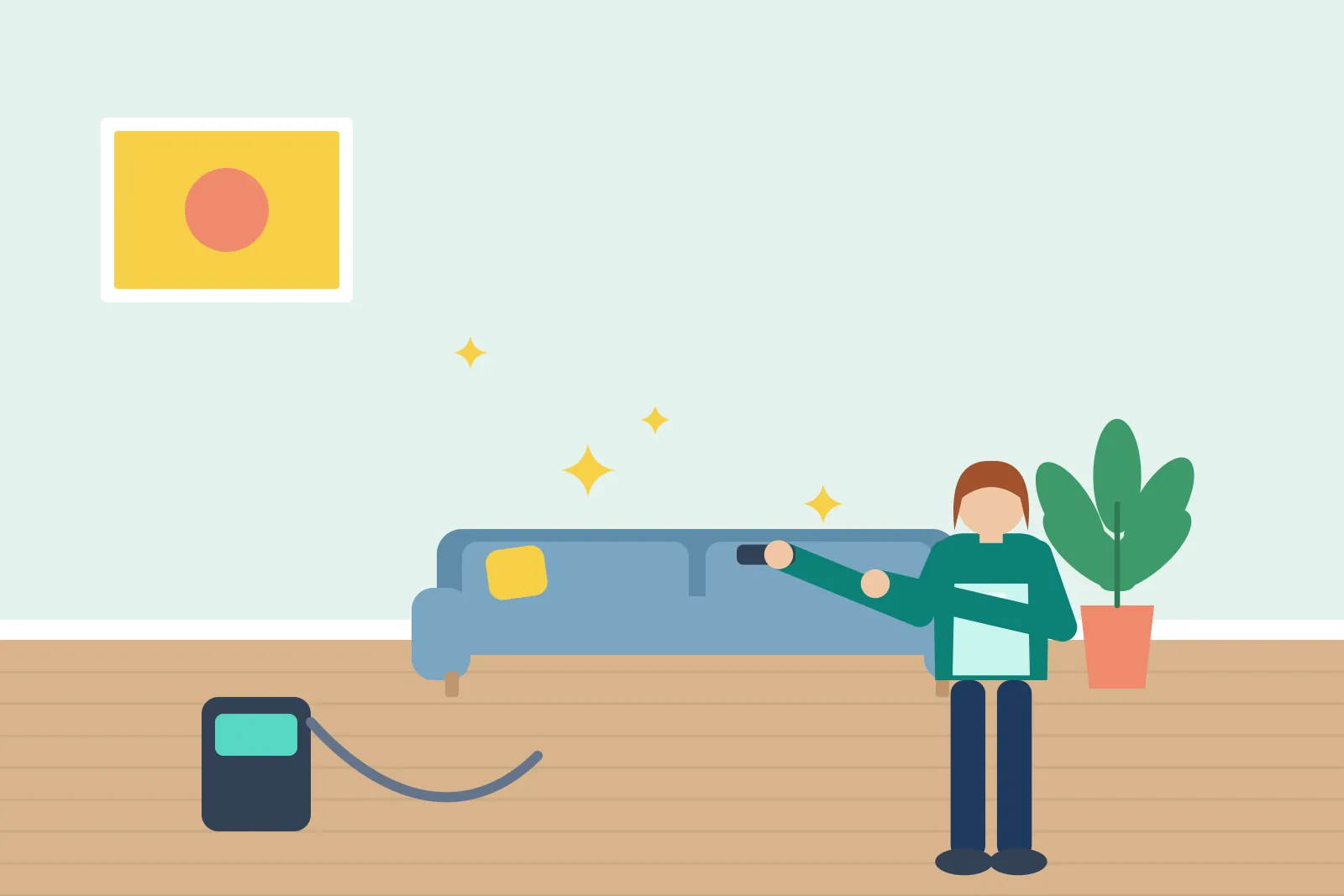
Vacuum the sofa weekly or fortnightly with the upholstery attachment, including down the sides and under the cushions, where crumbs, coins and hair collect. Use the crevice tool along seams. Plump and turn cushions regularly so they wear evenly.
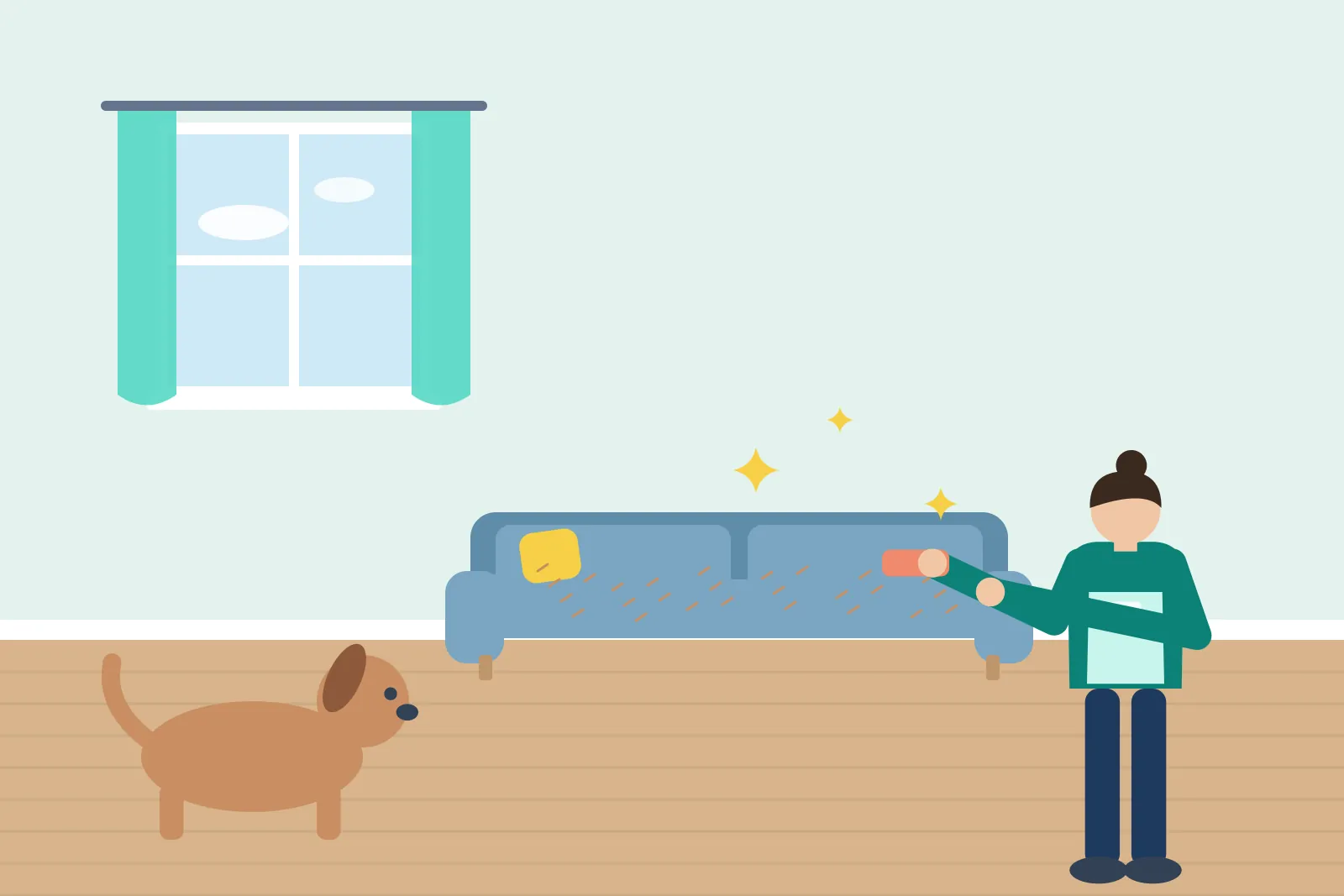
Pet hair comes off more easily with a rubber glove or a damp rubber brush, wiped over the fabric, before vacuuming.
Spot-cleaning spills
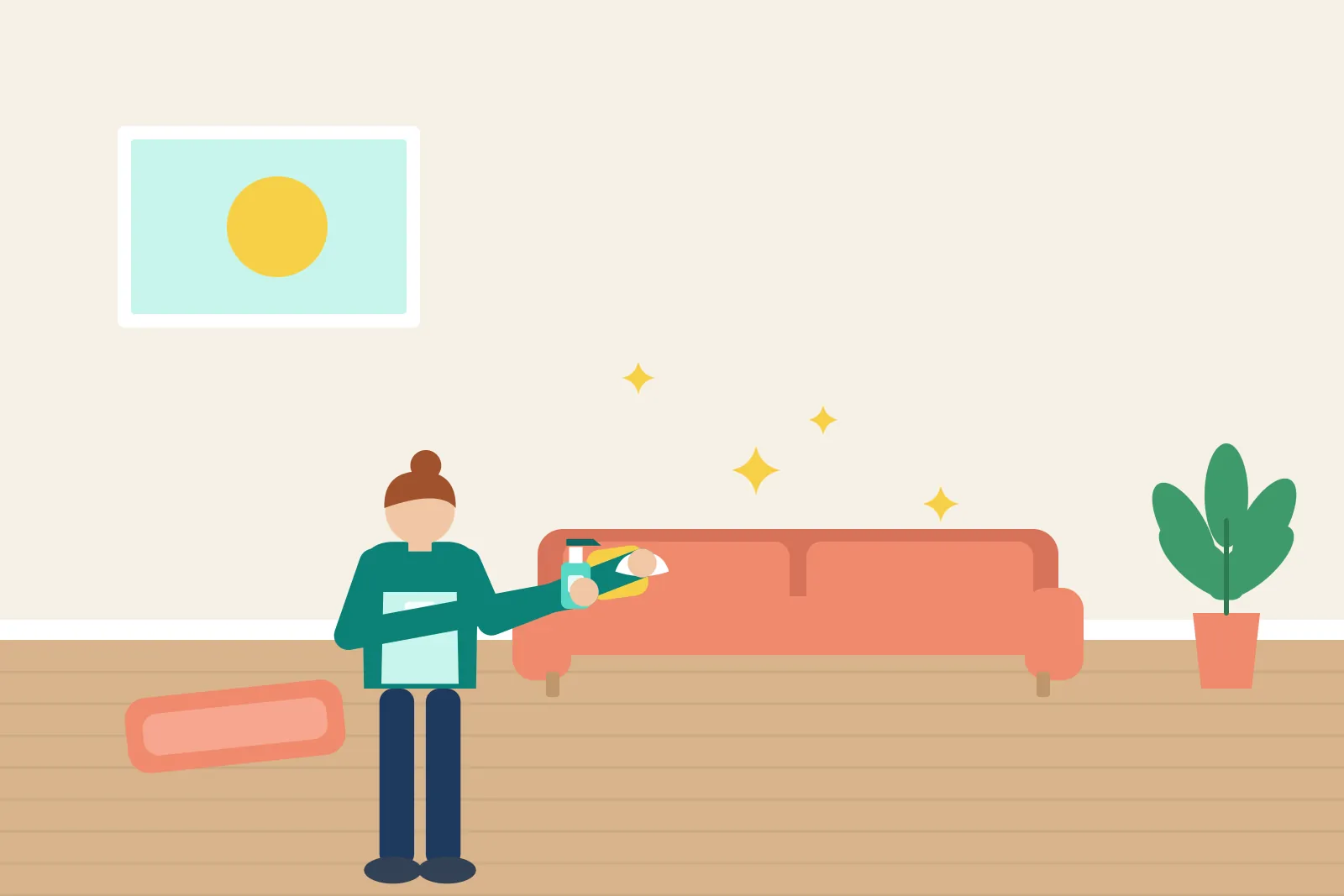
Act fast and blot – don't rub. Use a clean white cloth to soak up as much as possible. If the care label allows water, dab with a cloth dampened with cold water and a little mild washing-up liquid, then blot with plain water and a dry cloth. Work from the outside in to avoid creating a ring.
Upholstery spot cleaners are available, but test first. Some fabrics, like velvet and certain natural fibres, are particularly sensitive. And some stains won't come out with any home method – it's better to stop than to wear a patch in the fabric.
Removable covers
Just because covers zip off doesn't mean they're machine washable – some are only removable for dry cleaning. If they can be washed, follow the instructions exactly, usually a cool wash, and put them back on while still slightly damp so they stretch back into shape. Wash all the covers together, so the colour stays even.
Get quotes from local cleaners
Leather sofas
Dust leather regularly with a dry microfibre cloth and wipe it occasionally with a slightly damp cloth. A leather cleaner and conditioner suited to your leather type, used every few months, keeps it supple. Avoid household sprays, baby wipes and anything abrasive, which can strip the finish. Keep leather out of direct sunlight and away from radiators to stop it drying and cracking.
Ink, dye transfer from jeans and greasy marks on leather are best handled by a specialist.
Velvet, microfibre and other tricky fabrics
Velvet shows marks from pressure and water, and its pile can be crushed by rubbing. Vacuum it gently with a soft brush in the direction of the pile, and for spills, blot only. Many velvet sofas are best professionally cleaned.
Microfibre and faux suede are popular because they resist stains, but some leave water marks if cleaned with plain water. Check the label: some are best cleaned with a solvent-based upholstery cleaner. Linen and cotton blends can shrink, so removable covers may need dry cleaning rather than washing.
Freshening a sofa between cleans
Sofas pick up smells from cooking, pets and people. Vacuum regularly, air the room and lightly sprinkle bicarbonate of soda over fabric seats (if the fabric allows), leave for an hour and vacuum it off thoroughly. Washing throws and cushion covers more often than the sofa itself keeps it fresher.
Avoid spraying fragrance over a sofa as a fix – it can leave marks on some fabrics and only masks the cause.
When to call a professional
Professional upholstery cleaners identify the fabric, choose a suitable method (often low-moisture extraction) and have tools to treat stains without over-wetting. It's worth it for general grime, pet smells, light-coloured fabrics and expensive furniture. Our upholstery cleaning guide explains what to expect.