Self-employed cleaner or employee?
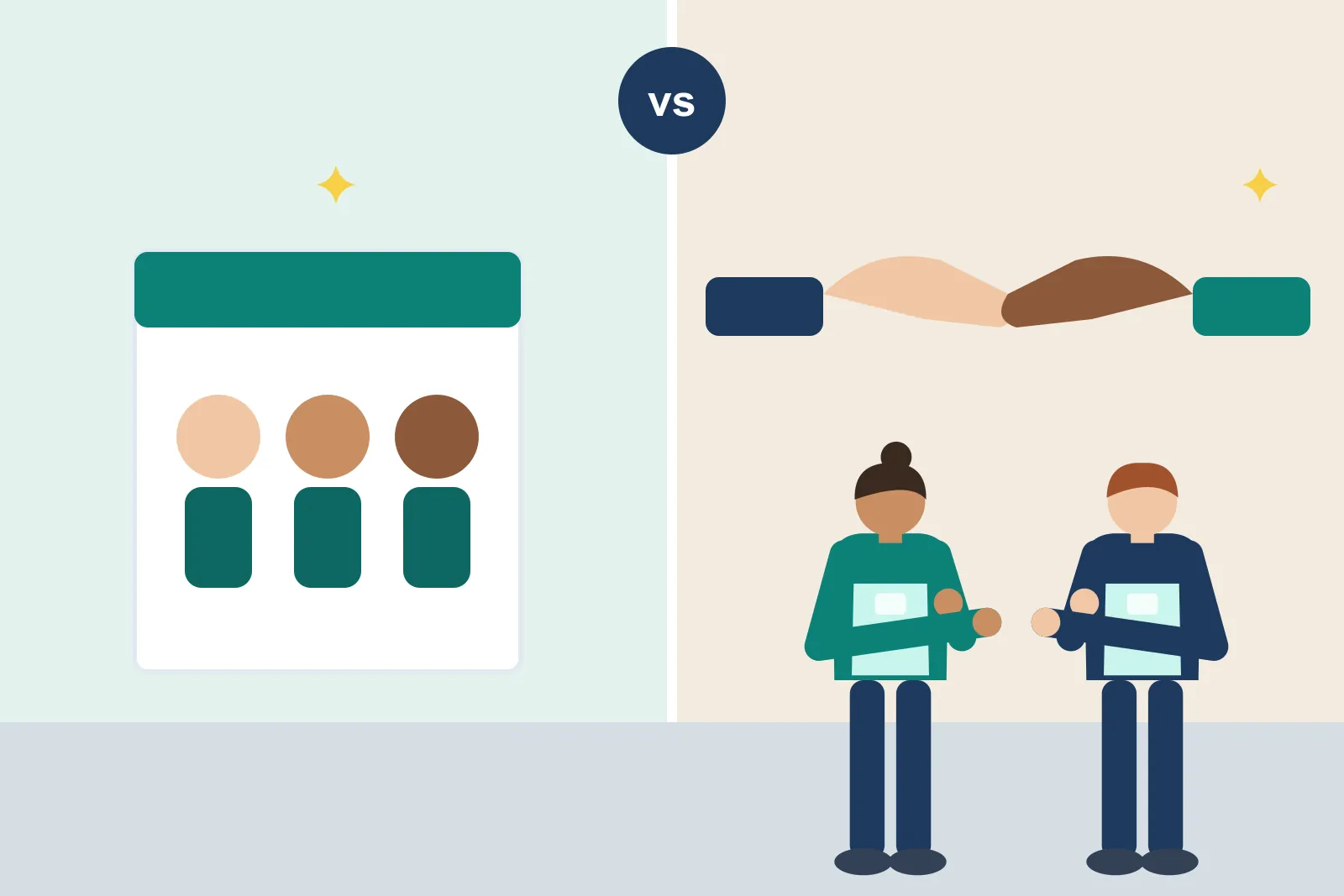
Employment status isn't decided by what you call the arrangement, but by how it works in practice. HMRC and employment tribunals look at factors such as control, who provides equipment, whether the person can send a substitute, and whether they're in business on their own account.
A typical self-employed domestic cleaner has several clients, sets their own rates and hours, decides how to do the work, often brings their own products and equipment, and can send someone else or cancel and rearrange. They invoice you and handle their own tax through Self Assessment.
Signs the relationship may be employment
The arrangement looks more like employment if several of these apply:
- They work only, or mainly, for you, for many hours a week
- You set their hours and tell them how to do the work in detail
- You provide all the equipment and products
- They can't send a substitute and must do the work personally
- You pay them a regular wage rather than against invoices
- They're treated as part of the household, for example as a housekeeper or nanny-housekeeper
If you are an employer
Employing someone in your home brings legal responsibilities. In outline, you'll need to check their right to work in the UK, give them a written statement of employment particulars on or before their first day, pay at least the National Minimum Wage (or National Living Wage, depending on age), and provide paid holiday – 5.6 weeks a year for someone working full time, pro rata for part time.
You may need to register as an employer with HMRC and run payroll, deducting income tax and National Insurance and paying employer's National Insurance where applicable. If their earnings are above the automatic enrolment threshold, you'll usually have to enrol them in a workplace pension. Statutory sick pay, maternity and other statutory rights apply too.
Home insurance policies sometimes include cover for domestic staff; check yours and consider specific cover for an employee. Many households use a nanny or domestic payroll service to handle the admin.
Get quotes from local cleaners
Making a self-employed arrangement clear
If your cleaner is genuinely self-employed, it helps to keep the arrangement businesslike. Ask for invoices, and let them agree the hours and method. Confirm they have their own public liability insurance. Many self-employed cleaners have a simple terms sheet setting out rates, cancellation notice and holiday arrangements – see cleaner holidays and cancellations.
Paying cash without records isn't illegal in itself, but it gives neither of you any evidence if there's a dispute, and the cleaner is still responsible for declaring the income.
Simpler alternatives
If you'd rather not deal with employment questions at all, booking through a cleaning company means the company is responsible for the cleaner's employment, tax, insurance and cover. Introductory agencies sit in between – the cleaner is usually self-employed and works for you directly. Our comparison of cleaning companies and introductory agencies explains the differences, and self-employed cleaner vs cleaning company covers the wider trade-offs.
Housekeepers and long hours
The employment question comes up most with housekeepers and live-in staff, who often work set hours for one household. If you're hiring someone for 15 hours a week or more, under your direction, assume it's likely to be employment and plan for it. Our guide to cleaners vs housekeepers explains how the roles differ. For official guidance, GOV.UK has sections on employing someone to work in your home and on employment status.